







WHY INDIA MUST CHAMPION ANIMAL-FREE DRUG TESTING
Syllabus:
GS 4: ● Ethics and human Interface- Human Actions
Why in the News?
The global scientific community is accelerating the transition from traditional animal testing to Non-Animal Methods (NAMs) in drug development. Following the US FDA’s roadmap to phase out animal testing and policy shifts by the US National Institutes of Health, India must evaluate its regulatory and innovation trajectory. This shift parallels the growing emphasis on environmental impact assessment in various industries, highlighting a broader trend towards more ethical and sustainable practices.
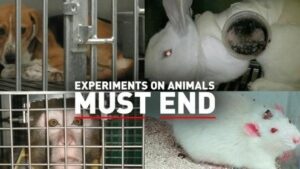
ETHICS IN SCIENTIFIC RESEARCH
- Bioethics Principle: Ethical science prioritises human dignity and animal welfare alongside technological advancement.
- 3Rs Doctrine: Global norms emphasise Replacement, Reduction, and Refinement in animal experimentation practices.
- Human Rights: Scientific practices must align with broader human rights and environmental justice frameworks.
- Regulatory Balance: Innovation must be balanced with public safety, accountability, and ethical governance standards.
- Civilisational Ethos: India’s philosophical traditions reinforce compassionate approaches to knowledge creation and technological progress.
ETHICAL AND SCIENTIFIC LIMITATIONS
- Ethical Concerns: Animal experimentation raises serious animal welfare issues, conflicting with evolving societal values and constitutional commitments toward compassion and humane science.
- Predictive Gaps: Animal models frequently fail to accurately predict human safety and efficacy, leading to high drug failure rates during clinical trials.
- Scientific Redundancy: In the twenty-first century, reliance on animal testing appears outdated given advances in human-cell biology, organoids, and computational platforms.
- High Failure: Nearly ninety percent of drugs successful in animal trials fail in humans, highlighting inherent translational limitations of animal-based methodologies.
- Moral Imperative: Ending unnecessary animal suffering aligns with India’s cultural ethos of ahimsa and strengthens ethical credibility in biomedical innovation. This approach resonates with the polluter pays principle and precautionary principle often applied in environmental contexts.
GLOBAL POLICY TRANSFORMATION
- US Roadmap: The US Food and Drug Administration has unveiled a structured pathway to reduce mandatory animal testing in pharmaceutical development.
- NIH Shift: The National Institutes of Health now discourages funding research based solely on animal data, encouraging human-relevant methods.
- International Momentum: Multilateral collaborations increasingly favour NAM validation frameworks, signalling irreversible global regulatory transformation.
- Regulatory Evolution: Agencies worldwide are modernising safety evaluation protocols through organ-on-chip technologies and AI-driven toxicology models.
- Competitive Edge: Countries embracing NAMs early will secure technological leadership in cost-efficient and humane biomedical innovation ecosystems.
This global shift in drug testing policy is reminiscent of evolving environmental jurisprudence, where traditional practices are being reevaluated in light of new scientific understanding and ethical considerations.
INDIA’S CURRENT POLICY LANDSCAPE
- Cosmetics Ban: India has already prohibited animal testing for cosmetics, demonstrating initial regulatory sensitivity toward humane science.
- Trial Amendments: The New Drugs and Clinical Trials (Amendment) Rules, 2023 incorporate provisions recognising non-animal alternatives.
- Chemical Guidelines: Revisions in toxicology guidance for chemical registration indicate gradual acceptance of human-based testing platforms.
- Emerging Labs: India hosts a growing network of laboratories working on organoids, tissue cultures, and computational toxicology tools.
- Policy Opportunity: Existing frameworks provide fertile ground to accelerate a nationwide transition toward validated human-relevant technologies.
These developments in drug testing policy can be seen as part of a broader shift towards more ethical and sustainable practices, similar to the evolving implementation of the Forest Conservation Act in environmental protection.
HARMONISATION AND GLOBAL ALLIANCES
- AFSA Collaboration: Participation in initiatives like the Animal Free Safety Assessment (AFSA) can align India with global regulatory innovation networks.
- Regulatory Convergence: Engagement with bodies such as ICH and OECD prevents duplication and facilitates international acceptance of Indian data.
- Standard Setting: Harmonised protocols ensure Indian-developed NAMs gain recognition across major pharmaceutical markets.
- Diplomatic Leverage: Championing humane science enhances India’s reputation as a norm entrepreneur in global governance forums.
- South Leadership: India can represent Global South interests, advocating affordable access to validated non-animal technologies.
BUILDING DOMESTIC CAPACITY
- Training Imperative: Contract research organisations require structured training to transition from legacy animal protocols to validated NAM frameworks.
- Strategic Partnerships: Collaborations with global innovators like Emulate, InSphero, and Mattek can catalyse domestic capability enhancement.
- Infrastructure Investment: Government-backed funding must support indigenous manufacturing of organ-on-chip platforms and human-cell assays.
- Centres Excellence: Establishing specialised Centres of Excellence (CoEs) can validate, scale, and standardise emerging non-animal technologies.
- Manthan Platform: The Principal Scientific Adviser’s Manthan initiative can bridge industry demand with academic innovation for scalable NAM adoption.
ECONOMIC AND STRATEGIC BENEFITS
- Cost Reduction: NAMs significantly reduce drug discovery costs by eliminating expensive animal maintenance and accelerating validation timelines.
- Time Efficiency: Human-relevant models shorten research cycles, enabling faster translation from laboratory discovery to clinical application.
- Failure Minimisation: Improved predictive accuracy reduces late-stage clinical failures, saving billions in pharmaceutical investment.
- Export Advantage: Adoption of internationally harmonised NAMs enhances India’s competitiveness in global pharmaceutical supply chains.
- Innovation Ecosystem: Investment in humane biotechnology stimulates high-skilled employment and strengthens India’s bioeconomy ambitions.
These economic benefits align with broader goals of creating a pollution-free environment and fostering sustainable development.
REGULATORY AND IMPLEMENTATION CHALLENGES
- Awareness Deficit: Limited understanding among regulators and researchers about validated NAM protocols slows institutional adoption.
- Cost Barriers: Initial infrastructure and technology acquisition costs discourage smaller laboratories from immediate transition.
- Validation Hurdles: Regulatory acceptance requires rigorous scientific validation, demanding coordinated investment and technical expertise.
- Policy Rigidity: Legacy rules anchored in animal-based evidence create procedural bottlenecks for alternative method approval.
- Funding Gaps: Sustained public funding similar to the US NIH Complement-Animal Research programme remains absent in India.
Overcoming these challenges will require a concerted effort, similar to the push for environmental democracy in policy-making and implementation.
CONCLUSION
Transitioning toward animal-free drug testing is not merely a technological shift but a strategic, ethical, and economic imperative. With global regulatory winds changing, India must invest boldly in NAM infrastructure, harmonised standards, and public-private collaboration to emerge as a humane innovation leader while reducing costs and scientific uncertainty. This transition aligns with broader environmental and ethical considerations, contributing to a more sustainable and responsible approach to scientific advancement.
SOURCE:HT
MAINS PRACTICE QUESTION
“India’s transition to Non-Animal Methods in drug testing represents both an ethical responsibility and a strategic opportunity.” Critically examine the challenges and prospects of adopting animal-free drug testing in India.