







SC FLAGS AD-HOC DGP APPOINTMENTS BY STATES
Why in the News?
- Court Observation: Supreme Court flagged States’ growing preference for appointing “Acting” DGPs instead of regular police chiefs.
- UPSC Direction: The Court asked UPSC to approach it if States delay proposals for regular DGP appointments.
- Prakash Singh Case: The issue revives concerns over non-compliance with the landmark 2006 police reforms judgment.
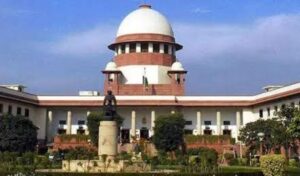
WHAT DID THE SUPREME COURT SAY
- Ad-hoc Preference: The Court observed that States are deliberately opting for acting DGPs of their choice, bypassing regular appointments to retain administrative control.
- Violation Highlighted: Such ad-hoc arrangements were held to be in clear violation of the Prakash Singh judgment, which explicitly rejected the concept of Acting DGPs.
- Tenure Undermined: The practice defeats the purpose of ensuring a minimum fixed tenure of two years, meant to insulate police leadership from political pressure.
- Merit Ignored: The Bench noted that senior and meritorious IPS officers are losing their chance to become DGPs due to deliberate procedural delays.
- Judicial Concern: The Court warned that continued non-compliance reflects systemic disregard for binding constitutional directions issued under Article 142.
ROLE OF UPSC AND COURT’S DIRECTIONS
- Selection Process: The Court reiterated that States must choose DGPs only from among the three senior-most officers empanelled by UPSC.
- Timely Proposal: States are required to send proposals to UPSC at least three months before the retirement of the incumbent DGP.
- UPSC Responsibility: The Commission was cautioned not to fall into State-level ploys and to actively seek timely proposals.
- Right to Approach Court: UPSC has been given liberty to approach the Supreme Court directly if States ignore its communications.
- Accountability Warning: The Court said that continued delays would invite accountability and adverse consequences for officials responsible.
POLICE REFORMS AND DGP APPOINTMENTS● Landmark Judgment: The Prakash Singh case (2006) laid the foundation for structural police reforms in India. ● Institutional Autonomy: Fixed tenure for DGPs was mandated to ensure operational independence of the police from political interference. ● UPSC’s Role: Union Public Services Commission acts as an independent body to ensure merit-based leadership selection. ● Constitutional Power: The Supreme Court invoked Article 142 to issue binding directions for effective police governance. ● Governance Impact: Regular DGP appointments are crucial for rule of law, accountability, and professional policing in a federal system. |