
Philippines Floods Raise Alarms Over Waterborne Diseases
Philippines Floods Raise Alarms Over Waterborne Diseases
Why in the News ?
The Philippines has issued a health alert following severe flooding in northern regions caused by enhanced southwest monsoon rainfall. Authorities are warning residents about increased risks of waterborne and vector-borne diseases, while disaster agencies continue post-cyclone recovery operations.
Floods Trigger Public Health Concerns:
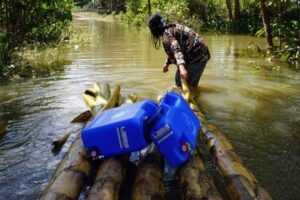
- Heavy rainfall associated with the enhanced southwest monsoon has caused widespread flooding in the northern Philippines, particularly the Ilocos region.
- Local health authorities have warned communities about a possible rise in waterborne and vector-borne diseases following prolonged inundation.
- Floodwaters can contaminate drinking-water sources, sanitation systems and food supplies, increasing the transmission of infectious diseases.
- Residents have been advised to adopt preventive measures and avoid direct contact with potentially contaminated floodwater.
- Health risks become particularly significant when drainage systems overflow, sewage mixes with floodwater and access to clean water is disrupted.
- The situation highlights the need to integrate public-health preparedness into disaster-management responses.
Disease Risks and Disaster Response
- Leptospirosis is a major concern after floods because the bacterium can spread through water or soil contaminated by the urine of infected animals.
- Dengue risk can increase after rainfall and flooding because stagnant water provides breeding sites for Aedes mosquitoes.
- Seasonal outbreaks of other infectious diseases can also intensify when sanitation, hygiene and healthcare access are disrupted.
- Philippine authorities have simultaneously raised red and yellow power alerts in central and southern regions because several power plants remain unavailable.
- The Philippine National Police (PNP) has intensified post-disaster recovery following tropical cyclones Luis and Maymay and the enhanced monsoon.
- Authorities reported 26 weather-related fatalities, comprising 25 civilians and one police officer, highlighting the broader humanitarian consequences of extreme weather.
Key points : Floods and Public Health
- Floods are among the most important natural disasters because they can simultaneously create health, livelihood, infrastructure and environmental risks.
- Major health consequences include:
○ Waterborne diseases due to contaminated drinking water.
○ Vector-borne diseases due to stagnant water and mosquito breeding.
○ Leptospirosis through contaminated floodwater.
○ Diarrhoeal diseases because of poor sanitation.
○ Respiratory and skin infections in crowded shelters.
- Effective disaster risk reduction requires early-warning systems, safe drinking water, sanitation, drainage management and rapid disease surveillance.
- Climate change can intensify extreme rainfall and flooding, increasing the importance of resilient urban infrastructure and climate-adaptive public-health systems.
- The One Health approach, linking human, animal and environmental health, is particularly relevant for managing diseases such as leptospirosis.