
DECODING CHINA – LESSONS FOR A VULNERABLE INDIA
Syllabus:
GS-2: ● International Relations ● India and its neighbourhood relations
Why in the News?
The sudden exodus of over 300 Chinese engineers from Apple supplier Foxconn’s Indian units signals more than a corporate reshuffle. It reflects China’s deliberate strategy to sabotage India’s manufacturing ambitions, particularly in high-value sectors like electronics and traditional industries such as handloom. These acts underline a broader geo-economic competition between a rising India and a strategically anxious China, reminiscent of the economic tensions during the Swadeshi movement and the importance of handloom in India’s quest for self-reliance.
CHINA’S STRATEGIC WITHDRAWAL OF ENGINEERS
- Deliberate Disruption: China’s recall of engineers from Foxconn units is not administrative but a calculated disruption targeting India’s electronics manufacturing momentum, potentially impacting the handloom industry and other indigenous industries.
- Knowledge Embargo: These engineers possessed critical expertise in operational setup and troubleshooting, and their recall impedes the transfer of high-end know-how to Indian firms, affecting sectors from electronics to traditional crafts like handloom weaving techniques.
- Tech Dependency: It reinforces India’s technological dependence by halting the inflow of practical insights required to localise sophisticated manufacturing processes, including those in the handloom sector, which is crucial for rural livelihood and cultural identity.
- Hidden Tactics: The move remains unofficial and informal, preventing legal or diplomatic recourse but generating operational uncertainty in Indian supply chains, from high-tech to traditional industries like handloom.
- Multi-pronged Strategy: China is tactically using human capital withdrawal alongside material restrictions to weaken India’s manufacturing self-reliance, affecting sectors crucial for sustainable development and economic growth, including the handloom industry and its weaving community.
CONTROL OVER CRITICAL INPUTS
- Mineral Monopoly: China restricts the export of rare earths (gallium, germanium, graphite), essential for EVs and semiconductors, to India, potentially impacting sustainable fashion and handloom products that rely on modern technology for production and marketing.
- Equipment Barriers: Informal restrictions on high-end machinery exports like solar equipment and boring machines hinder India’s infrastructure development and modernization of traditional crafts, including handloom weaving methods and the use of natural dyes.
- Verbal Restrictions: These are enforced through verbal instructions, administrative inertia, and informal controls, making them difficult to contest, affecting various sectors including the handloom industry and its market outreach efforts.
- Supply Chain Choke: China’s actions inflate costs, delay projects, and instil uncertainty in India’s high-tech manufacturing ecosystem and traditional industries like handloom, impacting the rural economy and artisan income.
- Dependency Web: This ensures that India continues to depend on Chinese imports, especially in critical and emerging technologies, potentially affecting the development of indigenous industries, including handloom and its associated textile heritage.
ECONOMIC COERCION AND GLOBAL SUPREMACY
- Export Reliance: Due to its shrinking population and property crisis, China leans heavily on export revenues to fuel growth, affecting global market dynamics including handloom exports and exclusive handloom expos.
- Overcapacity Pressure: Domestic consumption remains stagnant, compelling Chinese firms to flood markets with undervalued goods to remain solvent, potentially impacting handloom and other traditional crafts markets, including regional handloom traditions like Paithani and Jamdani.
- Price Weaponisation: Firms like BYD deploy aggressive pricing globally, making competition nearly impossible for new players, including those in sustainable fashion and handloom sectors, challenging the India Handloom Brand initiative.
- Suppressing Rivals: China’s aim is to maintain regional dominance by economically stifling any manufacturing challengers, including India’s efforts in various sectors from high-tech to handloom, affecting the livelihood of master weavers.
- Existential Perception: India’s rise is viewed not just as competition but as a threat to China’s economic stability and hegemony, affecting various industries including traditional crafts like handloom and initiatives such as the Handloom Mark scheme.
INDIA’S FRAGILE POSITION IN GLOBAL ALIGNMENTS
- US Tariff Blow: Recently, U.S. raised tariffs on Indian goods to 50%, while granting China a 90-day exemption on punitive tariffs, potentially affecting handloom exports and the livelihood of handloom weavers, including those producing Kanjeevaram sarees.
- Trust Deficit: Such moves highlight the fragility of western alignment, questioning India’s position in the global supply chain reshuffle, including for traditional products like handloom and the success of handloom haats.
- Strategic Autonomy: These developments reaffirm the need for India to pursue self-reliance, rather than over-dependence on shifting alliances, echoing the principles of the Swadeshi movement and the importance of handloom in achieving Aatmanirbhar Bharat.
- Diplomatic Navigation: As India’s Prime Minister prepares for a visit to China, balancing national interest with regional diplomacy becomes crucial, especially for sectors like handloom that represent cultural heritage and contribute to women empowerment.
- Reality Check: This underscores the need for a grounded policy reset, recognising the geopolitical and economic realities of the Indo-Pacific, including the importance of traditional industries for rural livelihoods and the preservation of handloom heritage through initiatives like textile museums.
ASSESSING INDIA’S MANUFACTURING ECOSYSTEM
- Early-stage Industry: Despite policy focus, India’s manufacturing sector remains in its infancy, especially in high-value segments, with traditional sectors like handloom needing modernization and support from the Ministry of Textiles through various handloom schemes.
- Infrastructure Gaps: Persistent infrastructure bottlenecks, logistical inefficiencies, and red tape slow down progress in both high-tech and traditional sectors, affecting market linkages for handloom products and the success of handloom expos.
- Skill Mismatch: The workforce lacks specialized skills required for advanced manufacturing, highlighting the need for training programs in both modern and traditional crafts like pashmina, chanderi, and banarasi brocade weaving.
- Scale Challenges: Indian firms struggle to achieve economies of scale, impacting cost competitiveness in global markets, which is crucial for the success of initiatives like ‘Vocal for Local’ in the handloom sector and promoting authentic handloom products.
- Innovation Deficit: R&D spending remains low, hindering the development of cutting-edge technologies and the modernization of traditional crafts, including handloom weaving techniques and the use of natural dyes.
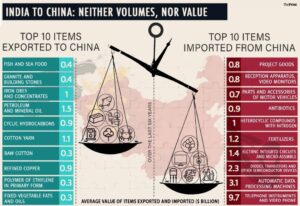 Strategic Decoupling: India must reduce dependence on China for critical inputs and technologies, while fostering domestic capabilities in key sectors, including the handloom industry and its associated textile tradition.
- Policy Overhaul: A comprehensive review of industrial, trade, and FDI policies is needed to boost manufacturing competitiveness and protect traditional industries like handloom, supporting handloom development initiatives.
- Skill Development: Massive investments in technical education and vocational training are crucial to create a skilled workforce for both modern and traditional sectors, including handloom weaving and indigenous craftsmanship.
- Infrastructure Push: Accelerated development of world-class industrial infrastructure and logistics networks is essential for attracting investments and supporting industries like handloom, facilitating traveling handloom marketplaces.
- Innovation Ecosystem: Fostering a culture of research and innovation through increased R&D spending and industry-academia collaboration is vital for technological advancement and preserving traditional crafts, including handloom weaving traditions.
- Economic Diplomacy: Leveraging international partnerships for technology transfer and market access while safeguarding national interests is crucial for sectors ranging from high-tech to handloom, promoting regional handloom traditions globally.
- Self-Reliance Focus: Promoting indigenous manufacturing capabilities across sectors, from semiconductors to handloom, is essential for reducing external vulnerabilities and achieving true self-reliance, supporting the weaving community and their craftsmanship.
As India celebrates National Handloom Day on 7th August, it’s an opportune time to reflect on the importance of handloom in our cultural and economic fabric. The handloom industry, with its rich heritage and potential for direct-to-consumer sales, embodies the spirit of Aatmanirbhar Bharat. By addressing the challenges in both high-tech and traditional sectors, India can forge a path of sustainable growth and self-reliance, honoring its handloom traditions while embracing technological progress.
To further support the handloom sector, initiatives like handloom awards, live loom demonstrations, and exclusive handloom expos can be organized. The National Handloom Development Corporation (NHDC) can play a crucial role in implementing these initiatives and promoting handloom craftsmanship. By focusing on market outreach, supporting master weavers, and preserving traditional weaving methods, India can ensure the continued growth and relevance of its handloom industry in the global market.