







EV Boom Triggers E-Waste Crisis: Challenges in Battery Waste Management
Syllabus
GS 3: Environment
Why in the News?
Recently, India’s rising lithium battery waste due to the EV boom has sparked urgent concerns, as experts warn that the current low EPR floor price threatens recycling sustainability and environmental safety.
Introduction
As India accelerates its transition to clean energy and electric mobility, the use of lithium batteries is growing rapidly.
However, without a strong battery recycling framework and adequate recycling infrastructure, this shift could harm the environment and hinder resource conservation efforts.
A fair and effective Extended Producer Responsibility (EPR) for battery system is crucial to prevent hazardous waste and support a closed-loop economy.
India’s Growing Demand for Lithium Batteries
India is witnessing a surge in electrification, especially in the electric vehicle (EV) sector, leading to an expanding battery supply chain.
Projections suggest lithium battery demand may rise from 4 GWh in 2023 to nearly 139 GWh by 2035, emphasizing the need for a robust domestic supply chain.
Alongside EVs, the growth of Battery Energy Storage Systems (BESS) for renewable energy also increases battery demand.
This growth is part of India’s strategy to achieve its Net Zero emissions target by 2070.
Environmental Risks of Improper Battery Disposal
The rapid expansion of lithium battery usage brings environmental concerns if recycling is not handled properly.
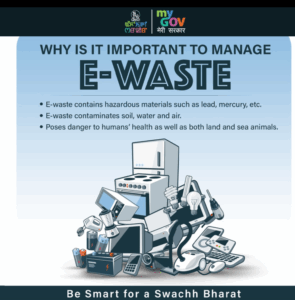
Improper disposal of batteries can lead to the leakage of hazardous substances into soil and water, highlighting the importance of proper lithium-ion battery recycling practices.
In 2022, India generated 1.6 million metric tonnes of e-waste.
Out of this, lithium batteries accounted for 700,000 metric tonnes.
These batteries contain toxic and flammable components, posing risks to both the environment and public health, especially at the battery end-of-life stage.
Battery Waste Management Rules (BWMR) 2022
Recognising the risks, India introduced the Battery Waste Management Rules in 2022 to address EPR for battery concerns and establish recycling obligations.
A key part of these rules is the Extended Producer Responsibility (EPR) framework.
EPR holds producers responsible for collecting and recycling batteries at the end of their lifecycle, promoting environmental stewardship.
This is aimed at creating a closed-loop battery value chain that is sustainable and accountable, supporting the development of sustainable supply chains.
Challenges in Implementing EPR
What is EPR Floor Price?
Producers are required to meet recycling targets by buying EPR certificates from registered recyclers.
Recyclers must be compensated fairly for collecting and recycling battery waste.
The EPR floor price is the minimum price recyclers receive per unit of recycled battery waste.
Problem: Inadequate EPR Floor Price
The current EPR floor price is too low to cover real recycling costs.
Proper recycling involves high expenses: advanced technology, safe transport, skilled labour, and environmentally sound methods.
Without fair compensation, legitimate recyclers cannot operate sustainably, hindering EPR compliance efforts and the development of necessary recycling infrastructure.
Consequences of Low Floor Pricing
It encourages informal or fraudulent recycling.
Informal recyclers may issue fake certificates or improperly dispose of batteries, undermining the integrity of recycling certificates.
This leads to environmental damage and undermines the goal of a closed-loop economy.
A similar failure was previously seen in India’s plastic waste management.
Economic Risks
Inefficient recycling practices can increase India’s dependence on imported materials.
Lithium-ion batteries contain valuable battery raw materials such as lithium, cobalt, and nickel.
Experts estimate that poor battery recycling could cost India over $1 billion in foreign exchange losses by 2030, impacting national energy security.
Producer Resistance and Global Inequities
Large electronics companies and manufacturers often resist compliance with EPR norms and their recycling obligations.
Their policies differ between developed and developing countries.
In developing countries like India, producers sometimes evade environmental responsibilities.
This unequal approach threatens the establishment of sustainable recycling ecosystems in the Global South.
Fair Floor Price: Not a Burden for Consumers
Manufacturers often cite cost concerns to avoid raising the EPR floor price.
However, global metal prices have declined in recent years.
Despite this, manufacturers have not reduced consumer prices.
This shows that companies can absorb the additional cost of fair recycling without passing the burden to consumers or affecting the battery warranty period.
Global Best Practices: A Pricing Perspective
To set fair pricing, India must analyse global benchmarks.
In the United Kingdom, producers pay nearly ₹600 per kilogram for EV battery recycling, an example of positive value recycling.
In comparison, the proposed floor price in India is less than one-fourth of that, potentially leading to negative value recycling scenarios.
Even after adjusting for differences in purchasing power, this gap remains significant.
A just EPR floor price should cover the full cost of recycling: from collection to processing and material recovery.
Strengthening Compliance and Enforcement
What Needs to Be Done?
Implement robust audit systems to verify recycling activities and ensure proper collection mechanisms.
Digitise the issuance and tracking of EPR certificates to prevent fraud.
Impose strict penalties on producers and recyclers who violate norms.
Strengthen enforcement bodies to ensure real-world compliance and meet collection targets.
Integrating Informal Recyclers
India’s informal sector plays a major role in waste recycling but often lacks safety and regulation.
Instead of pushing them out, the government should integrate them into the formal economy.
This can be done through:
Training programmes
Regulatory support
Technical assistance
Benefits:
Improves safety and environmental standards
Expands India’s recycling capacity
Creates livelihoods for waste workers
This integration could include training informal workers to become licensed dismantlers and handle service battery scrap effectively.
Roadmap for Reform: Building a Sustainable Battery Ecosystem
Recalibrate EPR Floor Price
Reflect the real costs of recycling
Ensure profitability for genuine recyclers
Policy Dialogue
Encourage consultation between government, producers, recyclers, and civil society
Formulate policies based on evidence and global practices
Incentivise Ethical Recycling
Offer tax benefits for compliant recyclers
Promote innovation in recycling technologies
Enhance Transparency
Implement digital tracking of batteries throughout their lifecycle
Publish regular reports on recycling progress
Develop Infrastructure
Invest in recycling facilities across the country
Establish efficient reverse logistics networks for battery collection
Consumer Awareness
Launch public campaigns on proper battery disposal
Educate consumers about the importance of recycling
Research and Development
Fund research into advanced recycling techniques
Explore battery repurposing options for second-life applications
International Cooperation
Collaborate with global partners on best practices
Participate in international forums on battery waste management
By addressing these aspects, India can create a robust and sustainable battery ecosystem that supports its clean energy goals while minimizing environmental impact. This approach will involve all battery ecosystem stakeholders and may include initiatives like core exchange programs to facilitate efficient battery recycling and repurposing. Implementing a comprehensive strategy that encompasses the entire battery lifecycle, from production to end-of-life management, will be crucial in establishing a truly closed-loop economy for batteries in India.