







Digitally Empowering Women and Children: A Decade of Transformative Governance
Syllabus: GS 2
● Good governance, digital governance
Why in the News?
This article highlights the digital transformation led by the Ministry of Women and Child Development in India. Through initiatives like Saksham Anganwadi, Poshan Tracker, SHe-Box, and PMMVY, technology is enabling efficient, transparent, and inclusive service delivery, fostering the health, safety, and empowerment of women and children in line with the Viksit Bharat@2047 vision and sustainable development goals.
Introduction: A New Paradigm of Access and Empowerment
● Empowerment is fundamentally linked to access—to rights, services, protection, and opportunities.
● Over the past decade, under Prime Minister Narendra Modi’s vision of Viksit Bharat@2047, India has witnessed the democratisation of access through digital public infrastructure.
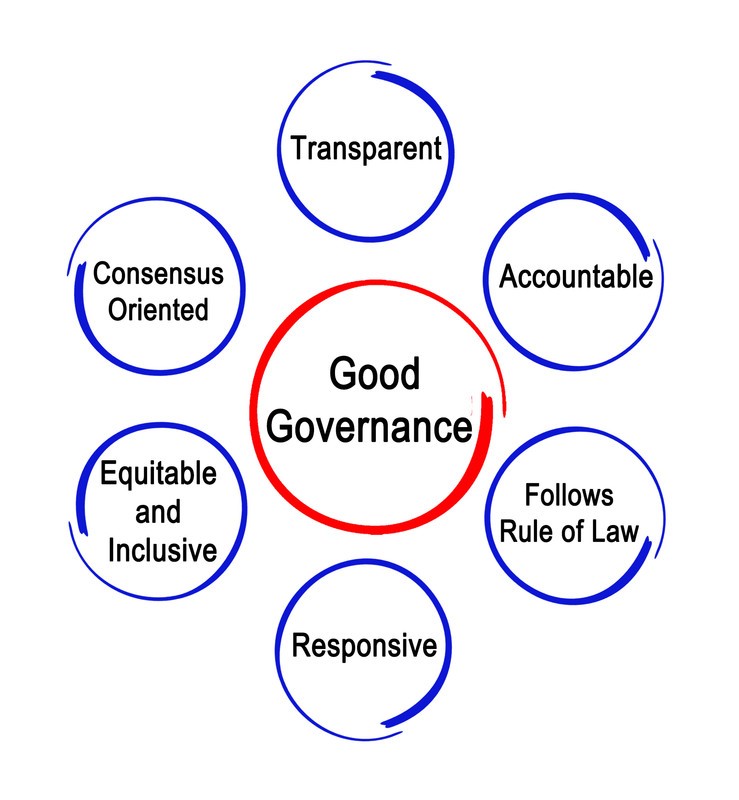
● The Ministry of Women and Child Development (MWCD) has spearheaded this transformation using technology as an enabler of inclusive, transparent, and accountable governance to empower women and children.
Digital Governance as the Engine of Empowerment
a. Redefining Aspirations
● Once aspirational goals—such as last-mile service delivery and real-time transparency—are now operational realities.
● Digital solutions have strengthened:
○ Nutrition access ○ Education services ○ Legal protections ○ Entitlement delivery
b. Principles Guiding the Transformation
● Three key pillars of the Ministry’s digital transformation: Care, Protection, Empowerment
● Aim: Enable healthier, safer, and more confident futures for women and children in the Amrit Kaal of India’s development.
Saksham Anganwadi: Digitally Empowering Grassroots
a. Modernisation of Anganwadi Centres
● Over 2 lakh Anganwadi centres are being modernised through infrastructure development.
● Upgrades include:
○ Smart infrastructure ○ Digital devices (e.g., tablets, smartphones) ○ Learning tools and modules for early childhood care and education (ECCE)
b. Digital Training for Anganwadi Workers
● Digital training modules developed under “Poshan Bhi, Padhai Bhi” campaign, focusing on cognitive development and play-based learning.
● Enables workers to act as: Nutrition guides, educators, Digital facilitators in rural areas
● Focus on skill development and job security for Anganwadi workers, with a revised honorarium policy
Poshan Tracker: Real-Time Nutrition Monitoring
a. Overview and Reach
● Integrated with 14 lakh Anganwadi centres across India.
● Over 10.14 crore beneficiaries registered, including: Pregnant women, Lactating mothers, Children (0–6 years), Adolescent girls
b. Core Functionalities
● Real-time data entry and performance monitoring
● Enables evidence-based interventions and policymaking
● Smartphones and training provided to Anganwadi workers for digital data input
c. Award-Winning Governance Tool
● Poshan Tracker won the Prime Minister’s Award for Excellence in Public Administration (2025).
d. Supplementary Nutrition Programme (SNP)
● To reduce leakages, a two-way authentication system authenticates beneficiaries.
● Ensures that only eligible individuals receive nutritional support.
Mission Poshan 2.0: Comprehensive Nutrition Initiative
● Launched as part of the Poshan 2.0 scheme to address malnutrition challenges
● Focuses on improving nutritional status through a multi-sectoral approach
● Utilizes data analytics and real-time monitoring for effective policy implementation
● Incorporates community participation and behavioral change strategies
● Aims to enhance growth monitoring and health outcomes for children under six
PM Matru Vandana Yojana (PMMVY): A Digital Leap in Maternal Welfare
a. Scheme Overview
● Under PMMVY Rules, 2022: ₹15,000 for the first child, ₹6,000 for the second child (if a girl)
b. Digital Delivery Mechanism
● Fully paperless, Aadhaar-linked, and mobile-based registration
● Direct Benefit Transfer (DBT) to ensure: timely payment, Leakage elimination, Last-mile inclusion
c. Impact
● Over ₹21,900 crore disbursed
● Reached over 4 crore women
● Promotes maternal health, girl child reinforcement, and financial inclusion
d. Transparency Mechanisms
● Includes:
○ Grievance redressal module ○ Citizen-facing portal
● Supports goals of Beti Bachao, Beti Padhao
SHe-Box: Ensuring Workplace Dignity for Women
a. Functionality
● SHe-Box = Sexual Harassment Electronic Box
● Provides single-window access to:
○ Lodge workplace sexual harassment complaints ○ Track status online
b. Legal Backing
● Under the Sexual Harassment of Women at Workplace (Prevention, Prohibition and Redressal) Act, 2013
c. Salient Features
● National portal
● Directly linked to Internal Complaints Committees (ICCs)
● Ensures speedy redressal and victim anonymity
Mission Shakti: Convergence for Women’s Safety
a. Mission Shakti Overview
● Integrated women’s empowerment initiative.
● Two key sub-schemes:
- Sambal (Safety and security)
- Samarthya (Empowerment and growth)
b. Digital Interfaces
● Mission Shakti Dashboard and Mobile Application provide:
○ Real-time distress signals ○ Linkage to nearest One Stop Centre (OSC)
c. Operational Impact
● Nearly every district in India now has an OSC.
● Women in distress are connected to: Police, Medical help, Legal aid, Shelter services
Tangible Outcomes from Tech-Based Interventions
a. Improved Sex Ratio at Birth
● From 918 (2014–15) to 930 (2023–24)
● Attributed to Increased awareness, financial support for girls, Gender-sensitive digital governance
b. Decline in Maternal Mortality Rate
● From 130/1,00,000 births (2014–16) to 97 (2018–20)
● Factors:
○ Better maternal care through PMMVY ○ Institutional deliveries ○ Monitoring through MoHFW’s HMIS
Digitally Securing Child Rights and Welfare
a. CARINGS Portal
- Child Adoption Resource Information and Guidance System
- Under the Juvenile Justice (Care and Protection of Children) Act, 2015
- Digitally transforms adoption: Transparent, Time-bound, Accessible
b. Enhanced Monitoring
- Digitisation has improved oversight of: Child care institutions, Foster care placement, Statutory support systems
c. Mission Vatsalya Dashboard
● Tracks: Child protection services, Budgetary allocations, Convergence among stakeholders
● Promotes collaborative governance involving:
○ State authorities ○ NGOs ○ Judiciary
Platforms for Legal Aid, Rights Protection, and Monitoring
a. National Commission for Protection of Child Rights (NCPCR)
● Developed digital tools to: Monitor violations, Track child-related complaints, Enable institutional accountability
● Grievance Redressal Mechanisms
● Childline (1098)
b. E-complaint portals for:
- POCSO Act violations
- Child labour
- School dropouts
Role of Digital Public Infrastructure (DPI) in Success
● DPI elements enabling seamless delivery:
○ Aadhaar verification ○ Unified Payments Interface (UPI) ○ DBT frameworks ○ Mobile penetration in rural India
● Real-time dashboards help:
○ Policy formulation ○ Course correction ○ Performance benchmarking
Challenges and Way Forward
a. Digital Literacy and Capacity Building
● Continuous training for:
○ Anganwadi and ASHA workers ○ Adoption officers ○ OSC staff
b. Bridging Digital Divide
● Ensure smartphone/internet access in:
○ Remote rural areas ○ Tribal regions ○ Conflict-affected zones
c. Cybersecurity and Data Privacy
● Strengthen:
○ Consent mechanisms ○ Encryption protocols ○ Data protection policies
d. Feedback-Driven Reforms
● Leverage:
○ Beneficiary feedback loops ○ Community-based audits ○ Participatory governance models
Conclusion: Where Governance Meets Technology
● Over the last decade, the MWCD has transitioned from a traditional welfare provider to a digitally driven empowerment institution.
● The journey from paper to platform, from manual to mobile, signifies not just policy execution, but policy evolution.
● The vision of Viksit Bharat@2047 is rooted in ensuring that no woman or child is left behind, and digital tools are key enablers of that promise.
● Through initiatives like Mission Poshan 2.0 and technology-driven monitoring, India is making significant strides towards achieving its sustainable development goals in areas of nutrition, health, and gender equality.
● Public-private partnerships and CSR investments are crucial for sustaining and scaling these digital initiatives, ensuring continued progress in women and child empowerment.
UPSC Mains Question
Q. Discuss the role of digital technology in empowering women and children in India. Critically evaluate the key initiatives undertaken by the Ministry of Women and Child Development to achieve inclusive and transparent service delivery.