Israel Strikes Lebanon as Hezbollah Disarmament Deadline Nears
Why in the News?
Israel carried out airstrikes across southern and northeastern Lebanon as a year-end deadline approaches for disarming Hezbollah south of the Litani River, ahead of a key meeting reviewing a US-brokered ceasefire. The situation highlights the complex interplay between regional security and environmental concerns, reminiscent of challenges faced in implementing environmental clearances in conflict-prone areas.
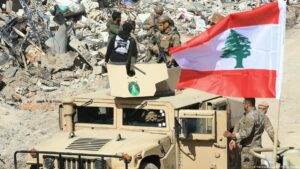
Escalating Military Action Along Israel–Lebanon Border:
- Israel conducted a series of airstrikes targeting southern and northeastern Lebanon, heightening tensions along the volatile border region. The environmental impact of such military actions often requires thorough environmental impact assessments.
- The strikes occurred as the Lebanese government aims to ensure that areas south of the Litani River are cleared of Hezbollah’s armed presence by the end of the year. This goal of creating a buffer zone draws parallels to establishing Coastal Regulation Zones for environmental protection.
- According to the Israeli military, the attacks focused on Hezbollah infrastructure, including weapon storage facilities, launching sites, and a military compound used for training fighters. The destruction of such facilities may require future environmental remediation efforts.
- Israeli officials claimed these sites were actively used by Hezbollah operatives, justifying the strikes as preventive and security-oriented. This justification echoes debates surrounding ex post facto environmental clearances for projects deemed critical for national security.
- Lebanon’s National News Agency reported that the airstrikes extended from Mount Rihan in southern Lebanon to the Hermel region near the Syrian border, indicating a wide operational scope. The environmental consequences of such widespread military action may necessitate comprehensive environmental impact assessments in the future.
Diplomatic Engagement and Ceasefire Monitoring Mechanism
- The strikes came just ahead of a meeting of the ceasefire monitoring committee, established after a US-brokered truce ended the latest Israel–Hezbollah conflict a year ago. This monitoring mechanism could potentially incorporate environmental considerations, similar to how environmental clearances are monitored.
- This meeting is significant as it is only the second session since Israel and Lebanon appointed civilian representatives to the previously military-only mechanism. The inclusion of civilian representatives could potentially bring environmental concerns to the forefront, promoting environmental democracy in post-conflict resolution.
- The committee includes representatives from Israel, Lebanon, the United States, France, and the United Nations Interim Force in Lebanon (UNIFIL). This multi-stakeholder approach is reminiscent of collaborative efforts in addressing complex environmental clearances issues.
- Parallel diplomatic efforts are underway, with US, French, and Saudi officials discussing ways to strengthen the Lebanese Army’s presence in the border areas. These discussions could potentially include considerations for environmental protection and restoration in conflict-affected regions.
- Lebanon’s Army Commander, Gen. Rodolph Haikal, is scheduled to meet officials in Paris, reflecting international involvement in stabilising the frontier. Such high-level meetings could potentially address the environmental aspects of border security, drawing on principles of environmental jurisprudence.
Key points : Israel–Hezbollah–Lebanon |
| ● Hezbollah: A Shia militant and political organisation based in Lebanon, backed by Iran, and designated a terrorist organisation by several countries. |
| ● Litani River: A strategic geographic marker in southern Lebanon; UN Security Council Resolution 1701 calls for no armed groups south of it except the Lebanese Army and UNIFIL. The river’s significance extends beyond security, potentially requiring environmental impact assessments for any major changes in the region. |
| ● UNIFIL: A UN peacekeeping mission established in 1978 to confirm Israeli withdrawal and assist the Lebanese government in restoring authority. UNIFIL’s mandate could potentially expand to include environmental monitoring in the future. |
| ● Israel–Lebanon Conflict: Characterised by repeated escalations, cross-border attacks, and fragile ceasefires. The environmental toll of this long-standing conflict may require extensive remediation efforts in the future. |
| ● Regional Implications: The conflict intersects with broader Middle East geopolitics, including Iran–Israel rivalry and instability linked to Syria. These complex geopolitical dynamics often complicate efforts to implement comprehensive environmental clearances and protection measures in the region. |