







Supreme Court Reviews Timelines for Governor Assent
Why in the News?
The Supreme Court has issued notices to the Union and all States over a Presidential reference on whether governors and the President must act within specified timelines when handling bills passed by state legislatures, affecting constitutional practices nationwide.
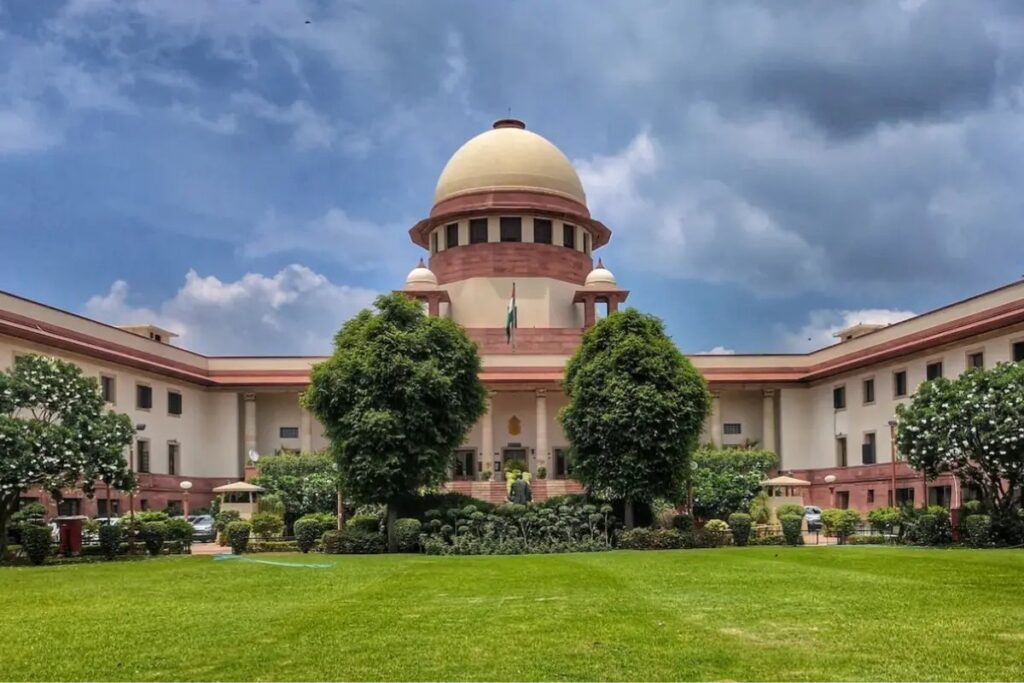
About Supreme Court Steps In on Key Constitutional Query:
● A five-judge Constitution bench, led by CJI DY Chandrachud, took up the Presidential reference initiated due to delays in assent to state bills.
● The case stems from a dispute in Tamil Nadu, but the bench clarified its decision will apply to all states.
● The SC asked the Centre and state governments to respond and listed the matter for directions on July 29.
● The hearing will address whether such delays are justiciable, and whether procedural directions can be imposed on constitutional authorities.
● A detailed hearing is expected to begin in mid-August.
Key Constitutional Questions Raised by President
● Can governors and the President be judicially bound to act within prescribed timelines on bills, even though the Constitution is silent on such timeframes?
● Is “deemed assent” legally valid, and can courts mandate such timelines?
● Can executive inaction before a bill becomes law be challenged in court?
● Can Article 142 (SC’s plenary powers) override specific constitutional provisions?
● Can Article 201 (President’s discretion on state bills) be subject to judicial review or deadlines?
| Understanding the President’s Role in State Legislation: |
| ● Under Article 200, a Governor can assent, withhold, return (if not a money bill), or reserve a state bill for the President’s consideration. |
| ● Under Article 201, the President may assent or withhold assent, or direct the Governor to return the bill. |
| ● The Constitution does not specify any timeline for these actions, leading to administrative delays. |
| ● Recent cases like Punjab, Tamil Nadu, and Kerala highlight prolonged inaction by governors. |
| ● The SC’s ruling will clarify the legal limits and duties of constitutional heads regarding state legislation processing. |
Article 143 and Its Implications:
● Article 143 allows the President of India to seek the advisory opinion of the Supreme Court on any question of law or fact of public importance.
● The Supreme Court’s opinion is advisory, but usually holds significant constitutional weight.
● It has been used in key cases like the Berubari Union case (1960) and the Ram Janmabhoomi case (1994).
● This reference revolves around Article 200 and Article 201, which deal with Governor and President’s powers to assent or withhold assent to state legislation.
● The outcome could define constitutional accountability in legislative procedures going forward.