






Rising Childhood Obesity Trends in India and World
Why in the News ?
On World Obesity Day (March 4), the World Obesity Atlas 2026 highlighted that India ranks second globally after China in the number of overweight and obese children, signalling a major public health challenge linked to lifestyle changes and unhealthy diets.
Global and India Trends in Childhood Obesity:
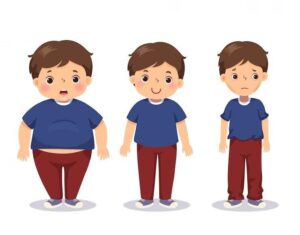
- According to the World Obesity Atlas 2026, India ranks second after China in the number of children who are overweight or living with obesity, surpassing the United States and several Western nations.
- In 2025, around 14.9 million children in the 5–9 age group and more than 26.4 million children aged 10–19 years in India were estimated to be overweight or obese.
- Globally, more than one in five children (around 20%) aged 5–19 years are living with overweight or obesity, marking a 146% increase since 2010.
- China leads the list with 62 million children with high BMI, followed by India with around 41 million, while the United States has around 27 million children with high BMI.
- Experts highlight that rapid urbanisation, sedentary lifestyles, and easy access to processed foods have contributed significantly to the rising trend of childhood obesity worldwide.
Health Risks and Future Projections for India
- The World Obesity Federation predicts that by 2040, nearly 56 million Indian children may be overweight or obese, while 20 million could be living with obesity alone.
- Obesity during childhood increases the risk of chronic diseases such as hypertension, cardiovascular diseases, and type-2 diabetes later in life.
- It is estimated that by 2040, over 57 million children may show early signs of cardiovascular disorders, including high triglycerides, while more than 43 million may develop hypertension.
- Around 71% of children aged 1–17 years fail to meet recommended physical activity levels, reflecting growing sedentary behaviour among young populations.
- Dietary patterns also contribute significantly, with high consumption of sugary drinks and processed foods, alongside suboptimal breastfeeding practices, increasing obesity risks from early childhood.
About Obesity, BMI and Policy Measures:● Obesity refers to an excessive accumulation of body fat that presents a risk to health, commonly measured using the Body Mass Index (BMI). ● BMI is calculated by dividing a person’s weight (kg) by the square of height (m²) and is widely used to classify underweight, normal weight, overweight, and obesity. ● Childhood obesity is influenced by factors such as unhealthy diets, low physical activity, urban lifestyles, genetic predisposition, and socio-economic conditions. ● International organisations like the World Health Organization (WHO) and the World Obesity Federation advocate policy interventions, including taxes on sugary beverages, restrictions on junk food marketing to children, and promotion of healthy school meals. ● Strengthening primary healthcare screening, nutrition awareness programmes, and school-based health initiatives can help countries like India address the growing burden of childhood obesity. |