






PM Modi Honors Freedom Fighter Mangal Pandey on Birth Anniversary
Commemorating a Key Figure in India’s Struggle for Independence
Prime Minister Narendra Modi and other senior leaders paid tribute to Mangal Pandey, a prominent freedom fighter, on his 196th birth anniversary on July 19, 2023. They commemorated his courageous role in the Sepoy Mutiny of 1857, also known as the Indian Rebellion of 1857, which ignited India’s struggle for independence from colonial rule and continues to inspire patriotism. This significant event marked a turning point in the fight against the British Raj and its policies, including the controversial doctrine of lapse.
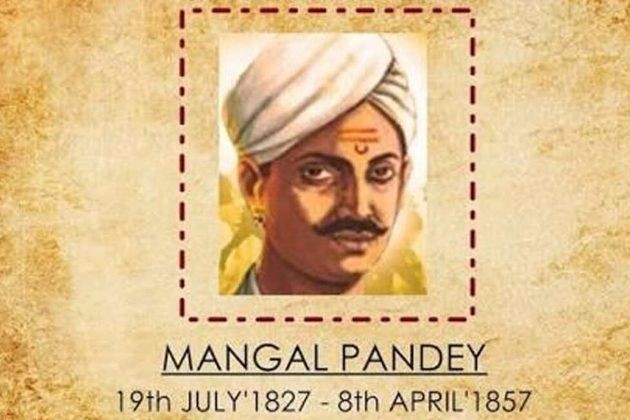
National Leaders Pay Homage to Mangal Pandey
- PM Narendra Modi lauded Mangal Pandey as a leading warrior in the Indian independence movement against British colonial rule. He hailed Pandey’s courage and patriotism in the face of oppression during the 1857 rebellion, describing his legacy as a source of inspiration for the entire nation, especially its youth.
- Modi highlighted Pandey’s role in fostering nationalist sentiment and opposing economic exploitation by the British East India Company during the colonial era.
- Union Home Minister Amit Shah emphasized Pandey’s pivotal role in sparking revolt against the British Raj. He called Pandey a symbol of patriotic resistance and an immortal martyr in the annals of Indian history.
- Shah underscored how Pandey’s valour transformed the 1857 rebellion into a nationwide uprising that shook British control. This led to widespread social upheaval, uniting Indians in a common cause against colonial rule and the oppressive policies of the British East India Company.
- Defense Minister Rajnath Singh and BJP President JP Nadda echoed these sentiments, recognizing Pandey’s sacrifice and national consciousness. They stated that his legacy would inspire future generations and contribute to India’s ongoing historical consciousness in the context of the independence movement and the struggle against colonial oppression.
- In a nod to the enduring cultural impact of Mangal Pandey’s story, it’s worth noting that Bollywood actor Aamir Khan portrayed the revolutionary sepoy in a 2005 film. This further cemented Pandey’s place in popular imagination and brought his story of resistance against the British Raj to a new generation of Indians.
Mangal Pandey’s Historical Role in the 1857 Rebellion
- Mangal Pandey was a sepoy in the British East India Company, specifically in the 34th Bengal Native Infantry. He rebelled against discriminatory practices and cultural insensitivity of the colonial rulers, including the increasing influence of Christian missionaries during British rule.
- His revolt at the Barrackpore Cantonment on March 29, 1857, marked the beginning of the Sepoy Mutiny of 1857. This event is often considered India’s First War of Independence and a crucial moment in the Indian independence movement against colonial rule.
- Pandey’s defiance against British officers was triggered by the issue of greased cartridges that offended religious beliefs of both Hindu and Muslim soldiers. This sparked widespread mutinies among Indian soldiers across several cantonments, leading to what some described as a homicidal frenzy against British authorities.
- Though eventually hanged on April 8, 1857, Pandey’s actions became a symbol of defiance against the British Raj. His rebellion lit the flame of the freedom struggle, showcasing the power of individual action in historical uprisings against colonial rule and the British East India Company.
- The Sepoy Mutiny of 1857, despite being crushed by the British, laid the foundation for organised nationalist movements in India. It had immense historical significance in shaping the country’s future, including the emergence of social reform movements like the Brahmo Sabha and fueling the broader independence movement.
| Key points : Mangal Pandey’s Legacy |
| ● Born on 19 July 1827 in Ballia, Uttar Pradesh, Pandey became a key figure in India’s early resistance against British rule and the oppressive systems of the British Raj. |
| ● He is remembered for the incident involving greased cartridges, which hurt religious sentiments of Hindu and Muslim soldiers, highlighting the cultural insensitivity of the colonial rulers. |
| ● His rebellion helped mobilise public sentiment and exposed the cracks in British military control in India, leading to a broader social upheaval against colonial oppression. |
| ● UPSC aspirants should remember his association with the Barrackpore Mutiny, which predated larger events of 1857 and was a precursor to the wider Sepoy Mutiny of 1857 across North India. |
| ● His life is a case study in patriotism, resistance, and the power of individual action in historical uprisings, making him an immortal martyr in India’s struggle for independence from British rule. |