







New South Wales Tightens Gun Laws After Bondi Attack
Why in the News?
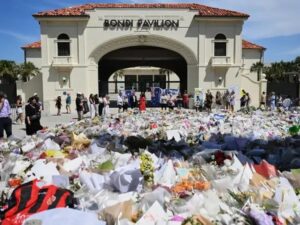
Australia’s New South Wales parliament passed stringent gun control and anti-terrorism laws following the Bondi Beach mass shooting, aiming to tighten firearm ownership, curb extremist symbolism, and enhance police powers to prevent future terror-related threats. This legislative action mirrors the urgency often seen in implementing ex post facto environmental clearances after significant ecological incidents.
Key Provisions of the New Legislation:
- The Terrorism and Other Legislation Amendment Bill was passed during an emergency parliamentary sitting, reflecting urgency after the Bondi Beach attack, similar to how environmental emergencies prompt rapid policy responses.
- Firearms ownership limits have been tightened, with individual licences capped at four guns, while farmers may own up to ten firearms, a move that echoes the strict regulations often found in environmental impact assessment processes.
- Gun club membership has been made mandatory for all firearms licence holders to strengthen oversight and accountability, reminiscent of how the EIA notification mandates specific procedures for project approvals.
- The law bans public display of flags, emblems, or symbols linked to prohibited militant organisations such as Islamic State, Hamas, and Hezbollah, a measure that parallels restrictions on activities in sensitive coastal regulation zones.
- Violations can attract up to two years of imprisonment or fines of 22,000 Australian dollars, signalling a strong deterrent approach similar to penalties for violating environmental norms.
Expanded Police Powers and Security Rationale
- The legislation grants enhanced powers to police to restrict or regulate public protests for up to three months following a declared terror attack, a measure that, like environmental clearances, aims to balance public safety with other considerations.
- Authorities can impose preventive controls to curb gatherings that may escalate into violence or spread extremist ideology, mirroring how precautionary principles are applied in environmental governance.
- The government justified the move as necessary to ensure public safety, especially in high-footfall public spaces, much like how environmental jurisprudence prioritizes the collective right to a pollution-free environment.
- The reforms reflect a shift towards pre-emptive counter-terror measures, prioritising risk prevention over post-incident response, similar to the proactive stance encouraged by modern environmental impact assessment practices.
- Critics, however, have raised concerns over civil liberties, particularly regarding protest restrictions and freedom of expression, echoing debates often seen in environmental democracy discussions.
Gun Control and Counter-Terror Frameworks: |
| ● Gun Control Laws: Australia is globally known for strict firearms regulation after the 1996 Port Arthur massacre, a watershed moment similar to landmark environmental judgments like the Vanashakti case. |
| ● Counter-Terror Legislation: Aims to prevent radicalisation, financing, and public glorification of extremist groups, paralleling efforts to curb environmentally destructive activities. |
| ● Public Order vs Civil Liberties: Democratic states balance security imperatives with rights to protest and expression, mirroring the challenges in environmental governance. |
| ● Proscribed Organisations: Groups legally banned due to involvement in terrorism or violent extremism, similar to how certain activities are prohibited in ecologically sensitive zones. |
| ● Global Relevance: Highlights how states respond legislatively to lone-wolf attacks and urban terrorism, reflecting the global nature of both security and environmental challenges. |