







NEW DRUG LICENCE PLAN TO TRACK BULK PHARMA PRODUCTS
Why in the News?
- Regulatory overhaul: The government plans a separate wholesale licensing regime for bulk drugs, APIs, and KSMs, similar to environmental clearance processes for pharmaceutical industries.
- Safety concerns: Move follows drug safety lapses, including deaths linked to contaminated cough syrups, highlighting the need for stringent environmental impact assessments in pharma manufacturing.
- Draft in works: A draft notification is being prepared to dismantle the current common licensing system, reminiscent of updates to environmental clearance notifications.
KEY FEATURES OF THE PROPOSED LICENSING REGIME
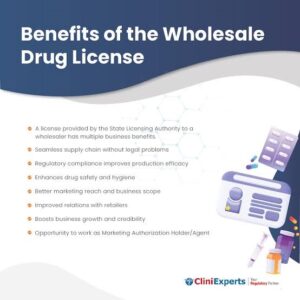
- Separate licences: Distinct licences for bulk drug wholesalers and formulation sellers, mirroring sector-specific environmental clearances.
- Central registry: Creation of a database of nearly 1.2 million bulk drug traders under DCGI oversight, similar to environmental compliance databases.
- Improved traceability: Enables tracking of imported raw materials, over 70% sourced from China, akin to supply chain assessments in environmental impact studies.
- Faster accountability: Helps identify dealers supplying substandard or contaminated inputs, supporting the precautionary principle in environmental protection.
- Stricter standards: Allows enforcement of storage and handling norms for chemical-based inputs, aligning with environmental safety regulations.
SIGNIFICANCE FOR INDIA’S PHARMA SECTOR
- Reputation repair: Aims to restore India’s image as the “Pharmacy of the World”, while also addressing environmental concerns in pharmaceutical production.
- Supply-chain intelligence: Addresses gaps in API trade data and value-chain mapping, supporting comprehensive environmental impact assessments.
- Domestic manufacturing: Complements PLI schemes and minimum import price (MIP) measures, potentially influencing environmental clearance processes for new manufacturing units.
- Ease of business: Provides a legal framework for compliant bulk drug wholesalers, potentially streamlining environmental clearance procedures.
- Market scale: Strengthens regulation in a $50-billion pharma market with a fast-growing API segment, necessitating robust environmental jurisprudence.
ACTIVE PHARMACEUTICAL INGREDIENTS (APIs) |
| ● Definition: APIs are the active components responsible for a drug’s therapeutic effect, often subject to environmental impact assessments. |
| ● Strategic importance: Critical for drug quality, safety, and efficacy, with environmental implications throughout their lifecycle. |
| ● Import dependence: India relies heavily on API imports, especially from China, raising concerns about environmental standards in sourcing countries. |
| ● Policy focus: Government promotes API manufacturing via PLI schemes, potentially requiring new environmental clearance processes. |
| ● Public health link: Weak API regulation can lead to serious safety and mortality risks, underscoring the need for stringent environmental and health impact assessments. |