







Neeli Jheel May Become Delhi’s First Ramsar Site
Why in the News?
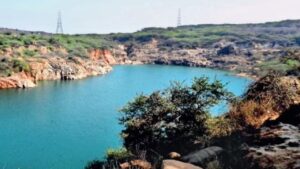
The Delhi government has initiated discussions with the Centre to notify Neeli Jheel, located inside Asola Bhatti Wildlife Sanctuary, as the Capital’s first Ramsar site, highlighting renewed focus on wetland conservation and water body revival. This move underscores the importance of environmental impact assessments in urban planning.
Proposal for Ramsar Site Status:
- The Delhi environment minister Manjinder Singh Sirsa announced plans to get Neeli Jheel (5.16 hectares) recognised as a Ramsar wetland of international importance, emphasizing the need for comprehensive environmental clearances in such designations.
- The wetland is located within Asola Bhatti Wildlife Sanctuary, a key biodiversity zone in south Delhi, subject to strict coastal regulation zone-like protections.
- The Delhi government is currently consulting the Union government and preparing a detailed proposal for submission, which may include retrospective environmental clearances for any past development in the area.
- Sirsa termed the initiative a matter of pride for Delhi, as the city currently has no Ramsar-designated site, highlighting the importance of environmental democracy in urban conservation efforts.
- The announcement was made during a World Wetlands Day event held at the sanctuary, promoting awareness about the EIA notification process and its role in wetland protection.
Wetland Revival Efforts in Delhi
- The government has completed the identification and demarcation of 856 water bodies across Delhi, a crucial step towards creating a pollution-free environment in the city.
- Around 174 water bodies have already been revived and rejuvenated under ongoing conservation efforts, demonstrating the practical application of environmental jurisprudence.
- Historically, Delhi had over 1,000 water bodies, many of which suffered due to encroachment and neglect, highlighting the need for stricter implementation of environmental laws.
- The government has set a target to restore the maximum possible water bodies by 2027, aligning with broader goals of sustainable urban development.
- Events linked to wetland awareness included exhibitions, felicitation of newly designated Ramsar states, and plantation drives, underscoring community participation in environmental conservation.
About Ramsar Convention: |
| ● A Ramsar site is a wetland designated under the Ramsar Convention, signed in 1971 at Ramsar, Iran, which often requires ex post facto approvals for existing developments. |
| ● Wetlands are selected based on biodiversity conservation, ecological balance, and habitat value, especially for migratory waterbirds, considerations that are also central to environmental impact assessments. |
| ● India, a party to the Convention, has added 98 Ramsar sites since 1982, reflecting growing emphasis on wetland protection and the need for comprehensive environmental clearances. |
| ● Ramsar recognition helps in international visibility, scientific management, and sustainable use of wetlands, often necessitating ex-post or retrospective environmental clearances for existing structures. |
| ● The proposal for Neeli Jheel highlights the role of urban wetlands in climate resilience, groundwater recharge, and biodiversity conservation, underscoring the importance of the Forest Conservation Act in urban contexts. |