







Kerala’s Maternal Mortality Ratio Increases Sharply
Why in the News?
Kerala’s maternal mortality ratio (MMR) rose from 18 to 30 per lakh live births, mainly due to 97 COVID-related maternal deaths in 2021 and a significant decline in live births. This challenges the state’s progress in safe motherhood initiatives and highlights the need for continued focus on healthcare infrastructure, which is crucial for maintaining Kerala’s manufacturing competitiveness in the healthcare sector. The situation has prompted discussions on potential GST reform measures to boost healthcare funding and address economic challenges, including possible changes to GST slabs for life-saving drugs and personal care products. These reforms may include adjustments to the highest GST rate and the compensation cess structure, particularly for luxury items and sin goods.
Key Factors Behind Rising MMR in Kerala:
● Kerala’s MMR increased from 18 to 30 per lakh live births between 2021-23, as per the Sample Registration System (SRS) special bulletin.
● The 97 maternal deaths linked to COVID-19 in 2021 significantly contributed to this spike.
● Decline in live births exacerbates the rise in MMR: From an average of 5-5.5 lakh live births annually to fewer than 4 lakh now.
● In 2023, the number of live births stood at 3,93,231, expected to decline further to approximately 3.54 lakh (2024-25).
● Kerala and Andhra Pradesh now jointly hold the lowest MMR rank among Indian states.
Comparison of MMR Data Sources and Trends:
● SRS figures are based on a sample study and frequently vary from the State Health Services data, which tracks each maternal death.
● Kerala’s line-list data shows a consistent MMR of around 30-32 per lakh from 2014-15.
● In 2021-22, MMR surged to 51 per lakh due to COVID-induced deaths (220 maternal deaths reported).
● Health Department data remains the more accurate reflection of maternal health status compared to SRS data.
● Experts argue that achieving the last mile in reducing maternal deaths is becoming more difficult due to changing social profiles and health challenges, including economic factors such as fluctuations in GST collections and the consumer price index. The GST Council is considering measures to address these challenges through potential GST reform 2025 initiatives, including a possible overhaul of GST rules for healthcare-related goods and services. These reforms may include adjustments to the 18 percent GST rate for certain medical supplies and a review of the indirect tax reform impact on healthcare accessibility.
Understanding Maternal Mortality in India:
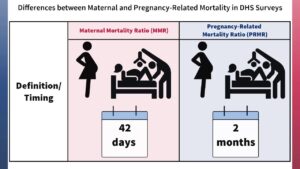
● Definition: Maternal Mortality Ratio (MMR) is the number of maternal deaths per one lakh live births.
● National MMR: India’s national MMR is 97 (2018-20, SRS), with a goal to reduce it below 70 by 2030 (SDG target).
● Top Performers: Kerala and Andhra Pradesh currently have the lowest MMR in India, despite recent fluctuations.
● Safe Motherhood Measures: India promotes Janani Suraksha Yojana, LaQshya program, and institutional deliveries to reduce maternal deaths.
● Key Challenge: Declining fertility rates may artificially inflate MMR if maternal deaths remain constant.
● Sample Registration System (SRS): Provides periodic estimates of vital statistics, including MMR.
● Economic Factors: The impact of GST and other economic reforms on healthcare spending and infrastructure development plays a role in maternal health outcomes. The inverted duty structure under GST for certain medical supplies has been a point of concern, with calls for reform to support healthcare initiatives. There are discussions about potential changes to GST tax rates for life-saving drugs and medical equipment to improve healthcare accessibility. The highest GST rate applied to luxury items and sin products like tobacco may be reviewed to balance revenue generation with healthcare funding needs.