







India Screens Six Crore for SC Disease
Why in the News?
India has reached a milestone under the National Sickle Cell Mission by screening six crore individuals for SC disease (SCD). Launched in 2023, the mission aims to eliminate sickle cell anemia by 2047, especially in tribal populations through universal screening and comprehensive management of SCD. This initiative addresses various types of sickle cell disorders, including hemoglobin C disease and hemotypeSC disease.
Latest Progress Under the Mission:
● Over 6 crore individuals have been screened under the National Sickle Cell Anemia Elimination Mission, demonstrating a significant step towards mass screening for SCD using rapid diagnostic tests, complete blood counts, and other advanced techniques to improve diagnostic accuracy.
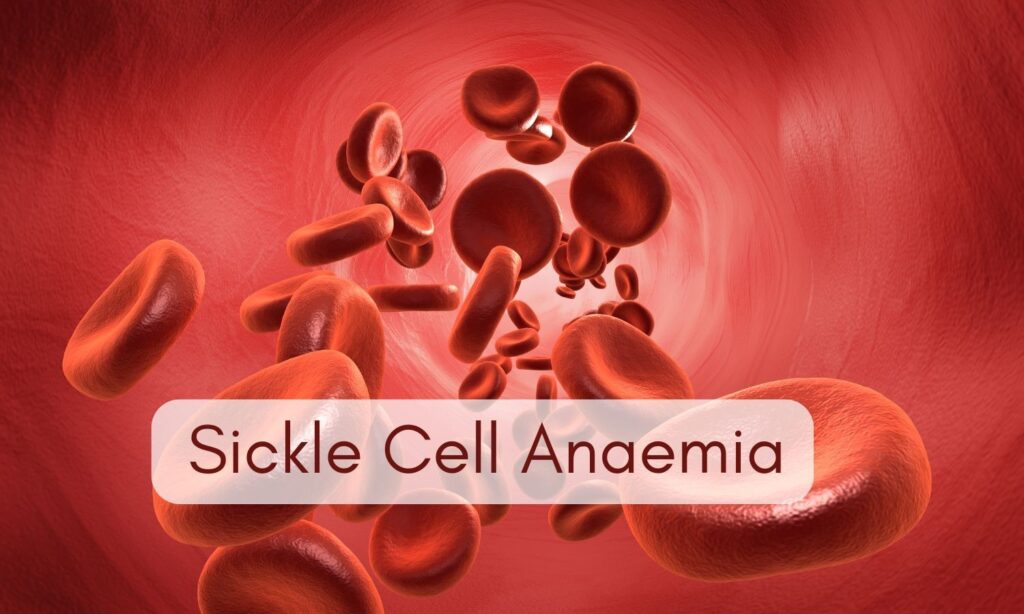
● 2.15 lakh people have been diagnosed with SC Disease (SCD), highlighting the prevalence of this genetic disorder characterized by abnormal cell hemoglobin S and sickling of red blood cells, where a sickle shape forms.
● More than 16 lakh individuals were identified as carriers of the sickle cell trait or hemoglobin C trait, emphasizing the importance of genetic counseling and premarital screening to prevent the birth of homozygous patients.
● This large-scale screening highlights the early detection efforts across high-prevalence regions, utilizing rapid diagnostic tests, complete blood counts, and peripheral blood smears for newborn screening programs.
● States like Madhya Pradesh, Gujarat, and Rajasthan have shown high screening coverage, indicating successful implementation of the mission’s objectives, including awareness about World Sickle Cell Day.
Geographical Spread and Challenges
● Highest burden of diagnosed SCD cases reported in Odisha, Chhattisgarh, Madhya Pradesh, Maharashtra, and Gujarat, reflecting the disease’s prevalence in the Indian subcontinent and its impact on life expectancy.
● Carrier detection is vital to prevent further transmission of SCD and ensure proper genetic counseling for at-risk couples, especially in regions with high rates of consanguineous marriages.
● Need for increased awareness among tribal populations to reduce stigma associated with SCD and improve community engagement, including education about pain crises and other SCD complications.
● Implementation challenges remain in remote tribal regions due to access issues, highlighting the need for mobile screening units and primary healthcare integration, including the use of rapid diagnostic tests, sickling tests, and solubility tests.
● State-specific strategies are crucial for effective SCD management and eradication, considering the varied clinical manifestations and disease severity across regions, including the risk of organ damage and hemolytic anemia.
| Key Features of the National Mission: |
| ● Launched in 2023, the mission was announced by Prime Minister Narendra Modi to address the significant public health challenge posed by SCD and related hemoglobin variants. |
| ● The target is to eliminate sickle cell anemia by 2047, India’s centenary of independence, through comprehensive screening and management strategies, including prenatal diagnosis and genetic counseling. |
| ● It aims to screen 7 crore people aged 0–40 years in tribal and vulnerable areas, focusing on regions with high SCD prevalence and addressing complications like vaso-occlusive crises. |
| ● The focus is on early detection, genetic counseling, and preventive strategies to reduce the disease burden and improve quality of life for SCD patients, including management of painful episodes and pain crises. |
| ● The program also includes building capacity in health systems and awareness campaigns to educate communities about SCD, its inheritance, and available treatment options, including hydroxyurea therapy and blood transfusions. |
| ● Implementation of advanced diagnostic techniques such as hemoglobin electrophoresis, capillary electrophoresis, isoelectric focusing, DNA sequencing, whole exome sequencing, and flow cytometry for accurate SCD diagnosis. |
| ● Introduction of hydroxyurea therapy and regular blood transfusions to manage SCD symptoms and prevent complications like acute chest syndrome and pneumococcal disease. |
| ● Establishment of support groups and community engagement programs to improve the overall care and quality of life for individuals with SCD, addressing issues like fetal hemoglobin levels and polymerization of hemoglobin S. |