







India Records 18,900 Organ Transplants in 2023
Why in the News?
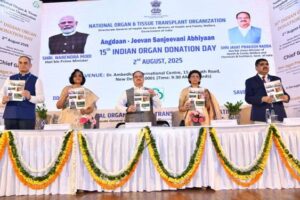
India achieved a record 18,900 organ transplants in 2023, ranking third globally in organ donation. Health Minister J.P. Nadda highlighted the increase in pledges and the noble impact of organ donation at the 15th Organ Donation Day, emphasizing the importance of organ donation in saving lives and raising awareness about donation.
Record Achievements in Organ Transplants:
- India performed nearly 18,900 organ transplants in 2023, the highest number ever in a single year, showcasing significant progress in deceased organ donation and increasing public knowledge about organ donation.
- The country secured the 3rd position globally in organ transplantation, reflecting a growing health infrastructure and increased awareness about donation.
- Over 3 lakh citizens pledged to donate organs in 2023 via the National Organ and Tissue Transplant Organisation (NOTTO), demonstrating the success of organ donation sensitization efforts and the effectiveness of the organ donation registry.
- The Health Minister called organ donation a noble humanitarian practice, transforming loss into hope and life for transplant recipients, highlighting the critical need for more information about organ donation to be disseminated.
- Families of donors and recipients were felicitated during the 15th Organ Donation Day celebrations in New Delhi, highlighting the importance of organ donation and its impact on both donors and recipients, including the crucial role of donor family counseling.
Government Initiatives and Awareness Efforts
- The Health Minister released NOTTO’s Annual Report and e-Newsletter highlighting progress and organ donation statistics, providing valuable information about donation to the public.
- Three awareness booklets were launched focusing on Organ Donation Awareness, Organ Health through Ayurveda and Yoga, and Best Practices by States, providing comprehensive information about organ donation and its processes.
- The government’s sustained efforts have boosted public participation and sensitization on the benefits of organ donation, including deceased organ donation and the importance of understanding brain stem death in the donation process.
- The event recognized the selfless contributions of organ donors as silent heroes saving lives through cadaveric organ donation, emphasizing the need for more education about donation.
- Continuous campaigns aim to expand organ donation networks across the country, improving organ allocation and procurement processes, and enhancing transplant coordinator training.
About NOTTO: |
| ● NOTTO functions under the Ministry of Health and coordinates organ and tissue donation activities nationally, including organ donation pledging and maintaining the organ donation registry. |
| ● India’s organ donation rate is improving but still lower than countries like Spain and the USA, highlighting the need for increased awareness about organ donation and improved donor family counseling. |
| ● Organ donation saves thousands annually by enabling transplants of kidneys, liver, heart, lungs, and corneas, emphasizing the importance of organ donation in medical care and the need for more education about donation. |
| ● Legal frameworks like the Transplantation of Human Organs Act regulate donation and transplantation procedures, ensuring ethical practices in organ procurement and allocation, including proper brain stem death certification. |
| ● Public awareness and infrastructure development remain key to addressing organ demand-supply gaps, with a focus on improving deceased organ donation rates and enhancing transplant coordinator training. |
Organ Transplantation in India – Key Highlights
- Definition: A medical procedure replacing failing organs (e.g., kidney, liver, heart, lung) with healthy ones from living or deceased donors, highlighting the importance of organ donation and the need for more information about donation.
- Global Rank: India ranks third globally after the USA and China in total organ transplants annually, showcasing significant progress in organ donation and transplantation, and the effectiveness of the organ donation registry.
- Gap in Demand vs. Supply: Out of 1.8 lakh renal failures yearly, only 6,000 transplants are done; donation rate is <1 per million, while the need is 65 per million, emphasizing the critical need for increased deceased organ donation and better understanding of brain stem death.
- Donor Trends: Total donors rose from 6,916 (2014) to 16,041 (2022), but deceased donor rate remains low, indicating the need for more cadaveric organ donation and improved donor family counseling.
- Regional Leaders: Telangana, TN, Karnataka lead in deceased donors; Delhi-NCR, Kerala, WB lead in living donors. Programs like Jeevandan Telangana have shown success in promoting organ donation and enhancing transplant coordinator training.
- Legal Framework: THOTA Act, 1994 (amended 2011) governs transplants; 2023 guidelines removed age cap and domicile clause, facilitating easier organ allocation and emphasizing the importance of proper brain stem death certification.
- Programs & Bodies: NOTP supports donations; NOTTO (national apex), ROTTOs (5), SOTTOs (14) coordinate efforts, including training for transplant coordinators and maintaining the organ donation registry.
- Digital Reforms: NOTTO-ID is mandatory for deceased donor allocation and must be issued within 48 hours of living donor surgery, improving the organ procurement process and enhancing the efficiency of the organ donation registry.
The recent achievements in organ transplantation, as highlighted at events like ISOT 2023, demonstrate India’s progress in this critical healthcare area. However, challenges remain in bridging the gap between organ demand and supply, particularly in deceased organ donation. Continued efforts in public education about organ donation, improving infrastructure for organ retrieval and transplant centers, and streamlining processes like brain stem death certification are crucial for advancing organ donation in India. Enhanced donor family counseling and transplant coordinator training will also play vital roles in increasing donation rates and maintaining an effective organ donation registry.