







Goa’s Traditional Bullfights Spark Legalisation Debate
Why in the News?
Several Goa MLAs across parties have demanded the legalisation of dhirio (bullfights), calling it part of the state’s cultural heritage. However, animal rights activists oppose this move, citing the Prevention of Cruelty to Animals Act, 1960, under which the practice is currently banned.
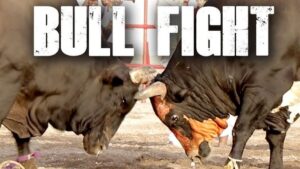
Tradition and Cultural Context
- Dhirio, Goa’s traditional bullfighting, dates back to Portuguese rule and was often linked to agrarian celebrations like harvest festivals.
- Seen as a community entertainment, bullfights once drew crowds of over 5,000 spectators.
- For many, it is a cultural identity marker, often compared to Spain’s bullfighting but less fatal—fights end when a bull flees or is pushed out of the arena.
- Betting is common, especially among the Goan diaspora in Europe.
- Unlike Spanish fights, bulls are not killed, though injuries are frequent. This distinguishes dhirio from forms of animal sacrifice seen in some other traditional sports.
The Legalisation Debate
- Ban imposed in 1996 by the Bombay High Court (Goa bench) after a fatal bullfight incident, citing violations of the Prevention of Cruelty to Animals Act, 1960.
- Despite the ban, clandestine fights continue, often organised secretly via WhatsApp and Facebook groups.
- Politicians argue:
- No cruelty involved; bulls naturally fight for dominance.
- Economic benefits: can boost tourism and provide revenue for farmers.
- Opponents (e.g., PETA India and other animal rights advocates) argue:
- It is a violent blood sport that leaves bulls seriously injured.
- Legalisation would promote cruelty for entertainment.
- Former CM Laxmikant Parsekar and current CM Pramod Sawant have both indicated interest in reviewing the legalisation demand.
- Supporters seek an exception similar to Jallikattu in Tamil Nadu, which has been classified as a traditional sport despite concerns from the Animal Welfare Board.
Animal Rights & Legal Framework:
- Prevention of Cruelty to Animals Act, 1960 → prohibits animal fights.
- Constitutional Provisions:
- Article 48A: Duty of the State to protect environment & wildlife.
- Article 51A(g): Fundamental duty to show compassion to animals.
- Judicial Precedents:
- 1996: Bombay HC banned bullfights in Goa.
- 2014: SC banned Jallikattu & bullock cart races under PCA.
- 2017: Parliament amended the law to allow Jallikattu citing culture & tradition.
- Key UPSC Angle: Debate on cultural rights vs. animal welfare, role of state exceptions, and judicial activism in animal protection.
The Animal Welfare Board of India plays a crucial role in shaping animal welfare policies and advising the government on issues related to animal welfare. Their stance on traditional practices that may involve animal torture is often at odds with cultural arguments for preservation. Animal rights activists continue to push for stricter enforcement of animal protection laws in such cases.