







CONTROVERSY AROUND FORM 7 IN ELECTORAL ROLL REVISION
Why in the News?
- Opposition Allegation: Indian National Congress alleged systematic misuse of Form 7 during Special Intensive Revision to delete names of eligible voters, raising concerns about the integrity of the environmental clearance process for electoral activities.
- Electoral Concern: Reports from multiple States indicated bulk voter deletions, raising concerns over procedural fairness and disenfranchisement, reminiscent of issues surrounding ex post facto environmental clearances.
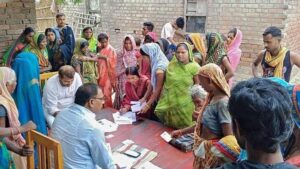
FORM 7 AND LEGAL FRAMEWORK
- Statutory Purpose: Form 7 is prescribed under the Registration of Electors Rules, 1960, framed under the Representation of the People Act, 1950, for objecting voter inclusion, similar to how the Forest Conservation Act governs environmental protections.
- Permissible Grounds: Objections can be raised for death, duplication, residence shift, age ineligibility, citizenship issues, or misrepresentation of voter details, adhering to principles akin to the polluter pays principle in environmental jurisprudence.
- Eligible Applicants: As per Section 13(2), objections must be filed by persons whose names are already in the electoral roll, including authorised Booth Level Agents, ensuring a process that respects environmental democracy.
- Rule Amendment: In 2022, the Election Commission expanded eligibility allowing any voter in a constituency to file objections, widening Form 7’s operational scope, similar to how EIA notifications expand the scope of environmental impact assessments.
- Verification Safeguards: Mandatory ERO verification is required if more than five objections are filed by one individual to prevent misuse, reflecting the precautionary principle applied in environmental clearances.
SPECIAL INTENSIVE REVISION AND DELETIONS
- SIR Coverage: Phase II of SIR covered nearly 51 crore voters across nine States and three Union Territories, reflecting a massive administrative exercise comparable to comprehensive environmental impact assessments.
- Deletion Scale: Draft electoral rolls show 6.5 crore voters removed, reducing electorate strength from 51 crore to 44.4 crore, a process that requires careful scrutiny similar to ex-post facto environmental clearances.
- ASD Classification: Deleted voters were categorised as Absent, Shifted, Dead, or Duplicate, a classification with significant electoral consequences, reminiscent of categorizations in coastal regulation zone management.
- State-wise Impact: Highest deletions occurred in Uttar Pradesh (2.89 crore), followed by Tamil Nadu (97 lakh) and Gujarat (74 lakh), highlighting regional variations similar to those observed in environmental clearance processes.
- Administrative Strain: Compressed timelines and large-scale objections raised concerns regarding verification capacity and due process compliance, echoing challenges faced in ensuring a pollution-free environment through regulatory mechanisms.
ELECTION COMMISSION OF INDIA AND ELECTORAL ROLLS● Constitutional Status: Election Commission of India is a constitutional body under Article 324, responsible for free and fair elections, similar to bodies overseeing environmental jurisprudence. ● Electoral Rolls: Preparation and revision of electoral rolls are governed by the Representation of the People Act, 1950 and allied rules, comparable to environmental regulations like the Forest Conservation Act. ● Revision Mechanisms: Electoral rolls undergo summary revision, intensive revision, and special revision to ensure accuracy and inclusiveness, mirroring the rigorous processes of environmental impact assessments. ● Voter Protection: Legal safeguards mandate notice, hearing, and appeal rights before deletion to prevent arbitrary disenfranchisement, reflecting principles of environmental democracy. ● UPSC Relevance: The topic links GS Paper II themes of constitutional bodies, electoral reforms, democratic rights, and governance accountability, including aspects of environmental clearances and jurisprudence. |