





Biomaterials: India’s Path Beyond Fossil-Based Material Dependence
Why in the News?
With growing global focus on clean manufacturing, circular economy, and reduced fossil fuel dependence, biomaterials are emerging as a strategic sector for India, offering solutions for sustainability, farmer incomes, and industrial competitiveness amid shifting regulations and consumer preferences. This shift aligns with the broader goal of creating a pollution free environment through innovative material solutions, necessitating thorough environmental impact assessments for new technologies.
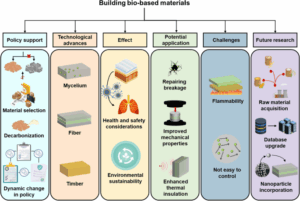
Why Biomaterials Matter for India:
- Biomaterials help India reduce dependence on fossil-based imports of plastics, chemicals, and industrial materials, aligning with the objectives of the Forest Conservation Act and other environmental regulations.
- Indigenous biomanufacturing can create new value chains using agricultural feedstocks and residues, boosting farmer incomes while adhering to environmental clearances and the EIA notification requirements.
- They align with national goals of environmental sustainability, waste reduction, and climate action, including the ban on single-use plastics and the implementation of ex-post environmental compliance measures.
- India’s biomaterials sector is growing rapidly, with the bioplastics market valued at about $500 million (2024), necessitating careful consideration of Coastal Regulation Zone guidelines for coastal manufacturing facilities.
- Major investments, such as Balrampur Chini Mills’ PLA plant in Uttar Pradesh, signal industrial momentum, with projects undergoing rigorous environmental impact assessments to ensure compliance.
- Start-ups like Phool.co (flower-waste biomaterials) and Praj Industries (bioplastics demonstration plants) highlight domestic innovation, emphasizing the precautionary principle in their development processes.
- However, India still depends on foreign technologies in some segments for converting biomass into market-ready products, necessitating comprehensive environmental impact assessments for new technologies and consideration of retrospective environmental clearances in some cases.
Way Forward for Biomaterials in India:
- Scaling biomanufacturing infrastructure, especially fermentation and polymerisation capacity, is crucial, with careful attention to environmental clearances and the polluter pays principle.
- Improving feedstock productivity (sugarcane, maize, agricultural residues) using emerging technologies can prevent food–fuel competition while adhering to the Forest Conservation Act guidelines.
- Strong waste-management and composting infrastructure is essential to ensure real environmental benefits, in line with the Vanashakti judgment emphasizing holistic environmental protection.
- Clear regulatory definitions, labelling norms, and end-of-life pathways (recycling or industrial composting) build trust and support environmental democracy, complementing the objectives of the EIA notification.
- Government procurement, time-bound incentives, R&D funding, and shared pilot facilities can de-risk early investments while ensuring compliance with environmental clearances and promoting a pollution free environment.
Biomaterials: Meaning, Types and Applications |
| ● Biomaterials are materials derived wholly or partly from biological sources or engineered through biological processes, designed to replace or interact with conventional materials, subject to environmental impact assessments. |
| ● They are increasingly used in packaging, textiles, construction, healthcare, and consumer goods, reducing reliance on petroleum-based inputs and supporting the creation of a pollution free environment. |
| ● Drop-in biomaterials are chemically identical to fossil-based materials and can be used in existing infrastructure, such as bio-PET, often requiring ex post facto environmental approvals. |
| ● Drop-out biomaterials are chemically different and require new processing or disposal systems; examples include polylactic acid (PLA), necessitating careful consideration of Coastal Regulation Zone regulations for coastal manufacturing. |
| ● Novel biomaterials offer entirely new properties, such as self-healing materials, bioactive medical implants, and advanced bio-composites, developed with adherence to the precautionary principle. |
| ● These materials support low-carbon manufacturing, reduced emissions, and innovation in materials engineering, aligning with the objectives of the Forest Conservation Act and EIA notification. |
| ● Biomaterials represent the next frontier of sustainable materials science, blending biology with industrial production to create a more pollution free environment. |