







Andhra Pradesh Introduces Incentives to Raise Fertility Rate
Why in the News ?
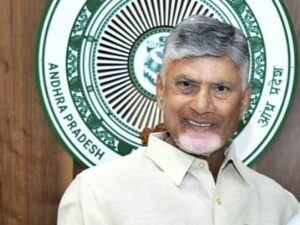
The Andhra Pradesh government has introduced a Draft Population Management Policy to address the State’s declining Total Fertility Rate (TFR). The policy, aligned with broader gender equality objectives and women’s rights initiatives, proposes financial incentives and welfare support for families having a third child to stabilise population growth and workforce availability while promoting gender justice in demographic planning.
Andhra Pradesh Draft Population Management Policy:
- The Andhra Pradesh government has proposed a Draft Population Management Policy aimed at increasing the Total Fertility Rate (TFR) from 1.5 to the replacement level of 2.1, marking a significant step toward achieving gender equality milestones in demographic management.
- The policy seeks to address concerns about a declining birth rate and prepare the State for an ageing population by 2047, while ensuring equal rights and opportunities for women in the workforce.
- The government plans to provide ₹25,000 as an incentive at the birth of a third child to encourage families to expand, with provisions for legal protection and social security benefits.
- Additional support includes ₹1,000 monthly financial assistance for five years and free education for the child until the age of 18, ensuring equal access to educational opportunities regardless of gender.
- The proposed scheme, titled “Poshana–Shiksha–Suraksha”, is expected to be implemented from April 1, 2026 after public consultation, coinciding with broader initiatives around International Women’s Day themes of empowerment and on 8 March celebrations focusing on women’s welfare.
Concerns Over Declining Fertility and Workforce
- Andhra Pradesh’s TFR of around 1.5 indicates that the State has moved away from being a high fertility region, reflecting progress in women’s day initiatives and reproductive health awareness campaigns.
- Similar demographic trends are visible in Tamil Nadu (TFR 1.4) and Kerala (TFR 1.6), reflecting broader changes in India’s demographic transition and advances in gender equality across southern states.
- If fertility continues to decline, nearly 23% of the State’s population could become elderly, increasing the dependency ratio and creating challenges for access to justice and social welfare systems.
- A shrinking working-age population could negatively affect economic growth and labour supply, particularly impacting efforts to address the gender pay gap and achieve workplace equality.
- The government aims to increase women’s labour force participation and boost the Gross State Domestic Product (GSDP) by nearly 15% through balanced demographic policies that remove structural barriers and promote international women’s empowerment principles, addressing issues like gender-based violence and intimate partner violence that affect workforce participation.
About Total Fertility Rate and Demographic Transition :● Total Fertility Rate (TFR): The average number of children a woman is expected to have during her reproductive years, closely linked to women’s rights and reproductive autonomy. ● Replacement Level Fertility: A TFR of about 2.1, which maintains a stable population size across generations while ensuring equal justice in demographic planning. ● Low Fertility Challenges: Countries like Japan, Italy, and South Korea face ageing populations, shrinking workforces, and economic pressures due to very low TFR, often celebrated during March 8 IWD discussions on demographic sustainability. ● Demographic Dividend: A situation where a large working-age population boosts economic productivity and growth, particularly when discriminatory laws are removed and women have equal opportunities. ● Policy Approaches: Governments may use financial incentives, childcare support, family benefits, and workplace reforms to encourage higher fertility rates while promoting gender equality and women’s empowerment. |