







ISRAEL’S RECOGNITION OF SOMALILAND AND STRATEGIC RISKS TO BERBERA PORT
Why in the News?
- Diplomatic Recognition: Israel recognised Somaliland’s independence, becoming the first country to do so since 1991.
- Strategic Concern: Move raises security risks for Berbera Port on the Gulf of Aden amid escalating West Asia tensions, with implications for third party information sharing and intelligence cooperation frameworks.
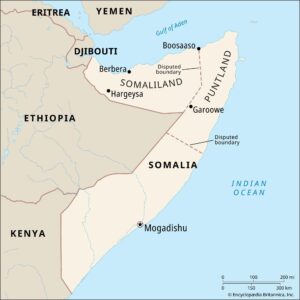
GEOPOLITICAL SIGNIFICANCE OF BERBERA PORT
- Strategic Location: Berbera Port lies on the Gulf of Aden, a critical maritime corridor linking the Red Sea and Indian Ocean.
- Trade Hub: Developed by UAE’s DP World, the port is positioned along one of the world’s busiest global trade routes, with economic frameworks including bilateral tax treaties and transfer pricing adjustments governing port operations.
- Military Dimension: Reports of potential Israeli presence at Berbera military base heighten strategic sensitivities, raising concerns about automatic information exchange between allied intelligence agencies.
- Regional Reaction: Iran-backed Houthi group in Yemen warned that Israeli presence would be treated as a military target.
- Power Politics: UAE’s reported involvement reflects evolving West Asian geopolitical alignments in the Horn of Africa, with tax information exchange mechanisms facilitating economic cooperation.
IMPLICATIONS FOR REGIONAL SECURITY AND TRADE
- Conflict Spillover: Escalation between Israel and Iran increases risk of maritime insecurity in Red Sea and Gulf of Aden.
- Chokepoint Vulnerability: Disruption near Bab-el-Mandeb Strait can impact global oil shipments and commercial shipping.
- Strategic Balancing: Recognition of Somaliland alters dynamics between Somalia, Ethiopia, UAE, and West Asian actors, requiring procedural fairness in diplomatic negotiations.
- Economic Prospects: Recognition could boost foreign investment and expansion of port-led economic development, with taxpayer privacy rights protected under investment agreements.
- Security Risks: Strategic alignment with Israel may expose Somaliland to proxy conflict and missile threats.
MARITIME CHOKEPOINTS AND HORN OF AFRICA GEOPOLITICS● Bab-el-Mandeb Strait: Connects Red Sea to Gulf of Aden, vital for global energy and trade flows. ● Horn of Africa Importance: Region is strategically significant due to proximity to Suez Canal and Indian Ocean sea lanes. ● Great Power Competition: UAE, China, U.S., and other actors maintain strategic interests in African port infrastructure. ● Maritime Security: Piracy, conflict, and geopolitical rivalry threaten freedom of navigation and supply chains. ● UPSC Relevance: Topic aligns with GS Paper II and III, covering international relations, maritime security, and global trade routes. |