







LIMITATIONS OF HbA1c TESTING IN DIABETES DIAGNOSIS
Why in the News?
- Study Findings: A study published in Lancet Regional Health: Southeast Asia cautioned against exclusive reliance on HbA1c testing for diabetes diagnosis in India, highlighting the need for a comprehensive approach similar to environmental impact assessments.
- Clinical Concern: Experts highlighted that anaemia and blood disorders prevalent in India can distort HbA1c results, affecting diabetes management, emphasizing the importance of a precautionary principle in healthcare.
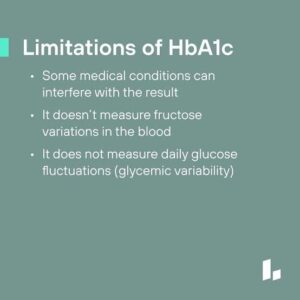
LIMITATIONS OF HbA1c AS A DIAGNOSTIC TOOL
- Biological Variability: Anaemia, haemoglobinopathies, and G6PD deficiency alter haemoglobin lifespan, causing inaccurate HbA1c readings unrelated to actual glycaemic control, similar to how environmental factors can affect the accuracy of environmental clearances.
- Population Context: High prevalence of iron-deficiency anaemia in India introduces systemic bias in HbA1c-based diagnosis across nutritionally vulnerable populations, reflecting challenges in achieving a pollution-free environment for all.
- Diagnostic Delay: Exclusive reliance on HbA1c may delay Type 2 diabetes diagnosis, potentially by several years in patients with undiagnosed blood disorders, reminiscent of delays in ex post facto environmental clearances.
- Assay Standardisation: Poorly standardised HbA1c assay methods across laboratories complicate interpretation and reduce diagnostic reliability in primary care settings, echoing challenges in standardizing environmental impact assessments.
- Type 1 Diabetes Issue: Evidence shows a non-linear relationship between blood glucose and HbA1c in Type 1 diabetes, limiting its universal applicability, similar to how the Vanashakti judgment highlighted limitations in environmental regulations.
RECOMMENDED MULTIPARAMETRIC APPROACH
- Integrated Testing: Experts recommend combining oral glucose tolerance test, self-monitoring of blood glucose, and continuous glucose monitoring with HbA1c estimation, mirroring comprehensive approaches in environmental clearance processes.
- Risk Stratification: A risk-based diagnostic framework accounting for haematological conditions improves accuracy in diabetes detection and treatment decisions, similar to risk assessments in coastal regulation zone management.
- Primary Care Relevance: Multiparametric strategies are crucial in resource-limited and primary healthcare settings, where misdiagnosis risks are higher, reflecting the importance of accessible environmental democracy.
- Clinical Decision-Making: Comprehensive testing supports individualised treatment planning, reducing long-term risk of diabetes-related complications, adhering to the precautionary principle seen in environmental jurisprudence.
- Public Health Impact: Improved diagnostic strategies align with non-communicable disease control goals under India’s public health framework, contributing to a pollution-free environment in healthcare settings.
NON-COMMUNICABLE DISEASES AND DIABETES MANAGEMENT● Epidemiological Context: Diabetes mellitus is a major non-communicable disease burden in India, requiring accurate diagnosis for effective disease control, similar to how environmental clearances are crucial for managing ecological burdens. ● Diagnostic Tools: Common diagnostic measures include fasting plasma glucose, OGTT, and HbA1c, each with specific clinical limitations, comparable to various tools used in environmental impact assessments. ● Health Inequities: Nutritional deficiencies and genetic disorders influence disease detection, reflecting social determinants of health and environmental justice concerns addressed in environmental jurisprudence. ● Policy Framework: Diabetes management is addressed under the National Programme for Prevention and Control of Cancer, Diabetes, Cardiovascular Diseases and Stroke, similar to how the Forest Conservation Act guides environmental policies. ● UPSC Relevance: The topic integrates GS Paper II and III, covering public health systems, disease burden, and evidence-based healthcare policymaking. |