
Supreme Court Hears Presidential Reference on Governors’ Powers: Implications for Reservation Policies
Why in the News ?
The Supreme Court Constitution Bench is hearing a Presidential reference under Article 143(1) regarding the powers of Governors and the President in giving assent to state Bills, including those related to reservation policies such as the Maratha reservation bill. The case examines whether timelines can be fixed without amending the Constitution, which could impact the implementation of various reservation policies and the total reservation count in states.
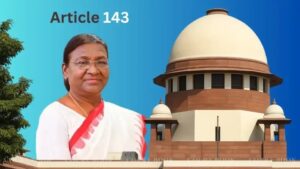
Core Arguments in the Presidential Reference Hearing:
- The West Bengal government argued that Governors cannot examine a Bill’s legislative competence; this is the court’s responsibility. This argument has implications for how reservation policies, including the Maratha reservation, are enacted and implemented, potentially affecting the constitutional validity of such measures.
- Kapil Sibal (for West Bengal) emphasized that Governors withholding Bills indefinitely makes the Constitution unworkable, potentially delaying crucial legislation related to reservation in India, including bills addressing the Maratha quota and other backward community concerns.
- He stressed that both President and Governors are titular heads, and Cabinet decisions must prevail under the principle of collective responsibility. This principle is crucial for implementing reservation policies effectively, ensuring that chief ministers and their cabinets can address issues like the agrarian crisis and educational backwardness through policy reforms.
- Anand Sharma (for Himachal Pradesh) underlined that separation of powers is the foundation of the Constitution; law-making rests with the legislature, interpretation with the judiciary. This separation is vital for creating and interpreting reservation policies, including those related to the OBC category and other separate classes.
- The Court raised concerns that fixing timelines may “amount to amending the Constitution,” but Sibal clarified that it only ensures constitutional machinery functions smoothly, which is essential for implementing reservation policies like the Maratha reservation and addressing issues of marginalization.
Federal Concerns and Way Forward:
- Sibal cautioned that Governors sitting on Bills erode state autonomy and go against federal principles, potentially hindering the implementation of state-specific reservation policies and addressing local issues such as land holdings and rural data.
- The Union indirectly undermines the cabinet form of government if Governors are given discretion to delay Bills, including those related to reservation policies and addressing discrimination in both public employment and the private sector.
- He insisted the Constitution is a living document, meant to adapt to new realities without diluting state rights, including the right to implement reservation policies for backward communities and address issues like caste consciousness and the forward class debate.
- The CJI B.R. Gavai-led bench is weighing arguments on balancing federalism, separation of powers, and constitutional functionality, which will have implications for how reservation policies are enacted and implemented across India, including the use of ordinances and the role of state services in addressing social inequalities.
- The hearing will resume on September 9, with further submissions from states like Karnataka, potentially addressing issues related to reservation in educational institutions and government jobs, as well as the impact of reservation policies on competitive exams and administrative services.
Understanding Article 143 and Governor’s Role : Implications for Reservation Policies
● Article 143(1): Empowers the President to seek the Supreme Court’s opinion on important constitutional questions, including those related to reservation policies and their impact on fundamental rights.
- Governor’s Role in Bills: Can assent, withhold, return (once), or reserve for the President, potentially affecting the implementation of reservation policies like the Maratha reservation and other measures addressing historical injustices.
- B.R. Ambedkar’s Draft: Initially provided Governors discretionary powers, later removed to avoid misuse. This change impacts how reservation policies are enacted at the state level, including measures related to cooperative banks and sugar factories that often affect marginalized communities.
- Collective Responsibility: Cabinet, not Governors, holds real executive power under India’s parliamentary democracy, crucial for implementing reservation policies effectively and addressing issues of transparency in policy-making.
- Judicial Precedent: Courts have held Governors must act on aid and advice of the Council of Ministers, which is important for the smooth implementation of reservation policies and addressing issues of economic backwardness. This principle was reinforced in the landmark Indira Sawhney case, which set important guidelines for reservation policies and the concept of creamy layer.
The ongoing debate over reservation in Maharashtra, particularly the Maratha quota, highlights the complex interplay between constitutional provisions, legal challenges, and socio-economic realities. The Gaikwad Commission report, which provided empirical inquiry into the Maratha population’s status, has been a key document in the push for reservation. However, issues such as the 50% cap on total reservation, established by judicial pronouncements, continue to pose challenges.
As the Supreme Court deliberates on these matters, it must balance the principles of equal protection under the law with the need to address inadequate representation and educational backwardness. The outcome of this case could have far-reaching implications for reservation policies across India, potentially affecting everything from primary education to urban families’ access to opportunities.
The debate also touches on broader issues such as the caste system, the need for policy reforms in the face of agrarian crises, and the balance between merit and social justice in competitive exams and public employment. As India grapples with these complex issues, the role of constitutional bodies, including the judiciary and state governments, remains crucial in shaping a more equitable society while maintaining administrative efficiency and addressing the concerns of all communities, including those traditionally seen as forward class.