






🇮🇳🤝🇨🇳 India–China Relations: PM Modi to Attend SCO Summit in Tianjin
Key Highlights
SCO Summit Invitation
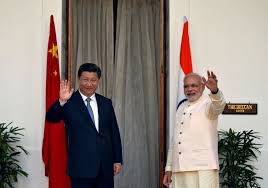
Chinese Foreign Minister Wang Yi met PM Narendra Modi in New Delhi and conveyed a message from President Xi Jinping. PM Modi accepted the invitation to attend the Shanghai Cooperation Organisation (SCO) Summit in Tianjin (August 31–September 1, 2025). This diplomatic engagement marks a significant step in India-China bilateral relations. He expressed support for China’s SCO Presidency and looked forward to engaging with Xi Jinping for strategic guidance on furthering constructive ties.
India’s Position
PM Modi emphasized that stable and constructive India–China bilateral relations are essential for regional and global peace and prosperity. He reiterated India’s stance on peace and tranquillity at the border, stressing the need for border stability and a fair, reasonable, and mutually acceptable resolution to the boundary question.
Bilateral Progress
Modi highlighted the positive momentum and steady progress in ties since his 2024 meeting with Xi Jinping in Kazan, marked by mutual respect, sensitivity, and interest. This new momentum has led to early harvest results in various areas of cooperation. The resumption of the Kailash Manasarovar Yatra and discussions on restarting direct flights are seen as symbols of goodwill, enhancing people-to-people exchanges and cultural diplomacy.
China’s Assurances to India
During talks with EAM Dr. S. Jaishankar, Wang Yi promised to address India’s critical needs in:
- Fertilisers – vital for agriculture and food security.
- Rare Earths – essential for electronics, renewable energy, and defence industries.
- Tunnel Boring Machines – important for India’s infrastructure and connectivity projects.
Strategic Background
The visit comes after NSA Ajit Doval’s trip to Moscow, indicating India’s simultaneous engagement with Russia and China. India and China are part of several platforms together: SCO, BRICS, RIC (Russia–India–China), and G20.
The 24th round of border talks recently discussed boundary delimitation, troop withdrawal, and working mechanisms to prevent incidents along the Line of Actual Control (LAC). These talks focused on de-escalation and addressing remaining friction points in border areas, particularly in Eastern Ladakh. Both sides agreed to maintain the momentum of dialogue for steady progress in resolving the boundary question.
Why This Matters (Exam Angle)
- Regional Peace – Stability in India–China bilateral relations directly impacts South Asia and Indo-Pacific security. The ongoing diplomatic engagement and efforts towards border stability contribute to regional peace.
- Economic Angle – Cooperation on fertilisers and rare earths links to India’s agriculture, energy transition, and industrial needs. This collaboration could lead to increased investment flows and strengthen the multilateral trading system.
- Strategic Diplomacy – India balances competition and cooperation: addressing the boundary question and military standoff while fostering multilateral cooperation through platforms like SCO and BRICS. This approach reflects India’s role in shaping a multipolar world order.
- Cultural Soft Power – Resumption of Kailash Manasarovar Yatra and potential restart of direct flights strengthen people-to-people exchanges and cultural ties, fostering a forward-looking relationship between the two nations.
- SCO Summit 2025 – An important platform for India to engage not only with China but also with Russia, Central Asian countries, Pakistan, and Iran. This summit provides an opportunity for high-level dialogue on regional issues and bilateral relations.
- Trans-border Cooperation – Discussions on trans-border rivers like the Brahmaputra (Yarlung Tsangpo in China) highlight the need for cooperation on water resources and hydrological information sharing, crucial for both countries’ development and environmental concerns.
- Border Management – The ongoing dialogue through special representatives and military mechanisms demonstrates both countries’ commitment to finding a mutually acceptable resolution to the boundary question, ensuring long-term border stability and preventing future military standoffs.